
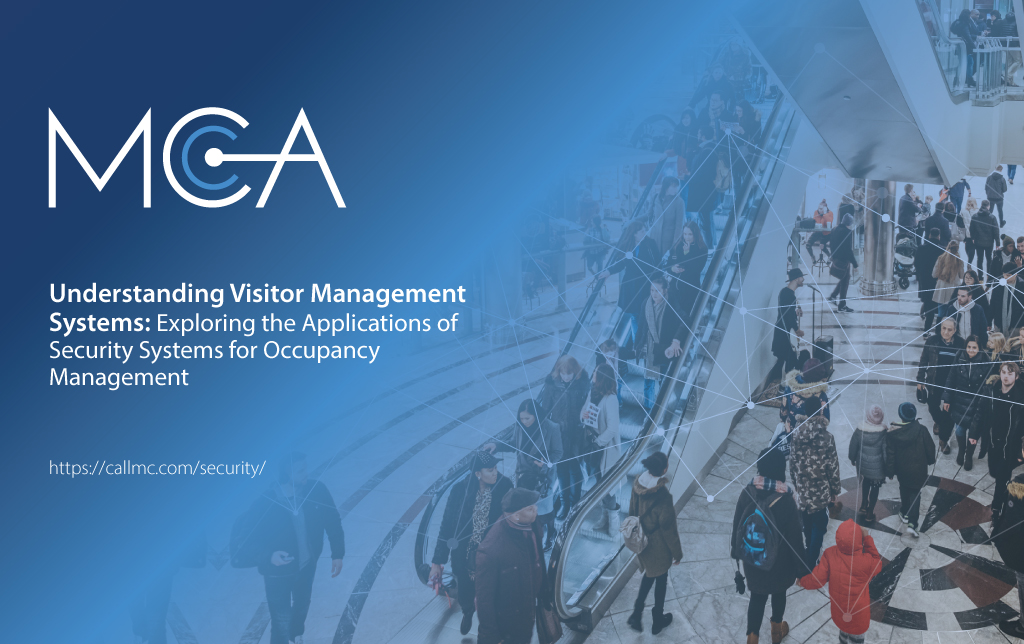
Enhancing Operational Efficiency with Occupancy Management
Occupancy management is no longer just about counting heads—it’s a critical aspect of maintaining safety, compliance, and operational efficiency in modern organizations. From bustling retail stores and corporate offices to event venues and educational campuses, understanding and controlling occupancy levels has become essential for creating safe and productive environments.
With advancements in video surveillance, access control systems, and visitor management technology, businesses can now manage occupancy with unparalleled precision. By leveraging object detection, advanced analytics, and real-time monitoring, occupancy management solutions give organizations the tools they need to stay compliant, enhance safety, and deliver a seamless visitor experience.
What Is Occupancy Management?
Occupancy management involves monitoring and controlling the number of people within a specific area, such as a room, floor, or building. This capability is critical for compliance with health and safety codes, managing restricted spaces, and optimizing the flow of foot traffic in high-traffic environments.
At MCA, occupancy management is a multifaceted solution that integrates seamlessly with your existing security systems, such as video surveillance, access control, and visitor management platforms. It uses a combination of object detection and sensor-based counting to provide real-time data on occupancy levels. This information enables organizations to enforce thresholds, prevent crowding, and implement automated actions when limits are reached.
From ensuring compliance with fire safety regulations to creating better visitor experiences, occupancy management is foundational to modern safety strategies.
How Occupancy Management Works
Occupancy management combines advanced technology and analytics across various systems to deliver comprehensive monitoring and control. Here are the key components of how it works:
1. Video Surveillance Integration
Video surveillance systems equipped with object detection and analytics can identify individuals as they enter or exit a predefined area. By monitoring entrances, exits, and movement within the space, these systems count people and track how many are currently within the facility.
The use of artificial intelligence (AI) ensures high accuracy in real-time, minimizing false counts caused by environmental factors or obstructions.
2. Access Control with Built-in Sensors
Integrated access control systems contribute to occupancy management by counting individuals as they scan badges, tickets, or credentials to gain entry or exit. Built-in sensors seamlessly update the occupancy tally, ensuring organizations have an accurate record of space usage.
Access control also enables dynamic responses, such as triggering alerts to security teams or locking access points when capacity thresholds are reached.
3. Visitor Management Systems
Visitor management platforms, including ticket-scanning speed lanes and turnstiles, streamline entry and exit processes while maintaining an accurate headcount. These systems integrate with access controls to manage flow and prevent overcrowding, particularly in high-traffic environments like concert venues or sports arenas.
4. Real-Time Alerts and Automation
When occupancy approaches or exceeds the set thresholds, the system sends real-time alerts to designated personnel. Automated actions, such as locking doors, triggering displays, or activating pre-recorded messages, can deter further entry until capacity is restored to a safe level.
5. Analytics and Reporting
Occupancy management systems also provide valuable insights into usage patterns, peak times, and recurring bottlenecks. This data empowers organizations to make informed decisions, improve traffic flow, and plan for events or other high-occupancy scenarios.

Applications of Occupancy Management
Occupancy management solutions play a vital role in a variety of industries, enhancing safety, compliance, and operational effectiveness.
Safety Compliance
Occupancy management systems allow organizations to monitor capacity in real time, ensuring spaces do not become overcrowded and posing no risk to visitors, employees, or customers. These systems can also adapt to changing regulations, providing a flexible and scalable solution for any compliance demand.
Managing Restricted Areas
Whether it’s a data center, stockroom, or high-security meeting room, restricted areas require strict control over who enters and how many people are present. Occupancy management systems set clear thresholds and alert security teams if a breach or non-compliance occurs.
Enhancing Visitor Experience
Imagine a museum maintaining optimal flow as visitors explore exhibits or a retail store ensuring shoppers aren’t battling overcrowded aisles. Occupancy management enhances the visitor experience by preventing congestion, making areas more comfortable, and reducing wait times.
Benefits of Occupancy Management
1. Real-Time Alerts and Notifications
Through intuitive dashboards and mobile interfaces, occupancy management solutions notify teams the moment thresholds are approached or exceeded. These alerts ensure quick action, whether to prevent additional entry or unlock alternative spaces to redistribute the crowd.
2. Actionable Analytics
With the ability to track occupancy trends over time, organizations can pinpoint inefficiencies and implement data-backed strategies for improvement. For example, identifying peak hours at a venue allows resources to be allocated more effectively.
3. Integration with Health Technologies
Occupancy counting systems can be enhanced further with the integration of other health technologies, such as social distancing enforcement, face mask detection, and temperature screening. This creates a unified, efficient approach to health security.
4. Increased Safety and Control
Occupancy management reduces risks associated with overcapacity in emergency situations, such as fires or evacuations. Systems ensure spaces remain within safe occupancy limits, protecting both individuals and the organization’s liability.
5. Improved Resource Allocation
By monitoring real-time occupancy, businesses gain a better understanding of how their spaces are utilized. This allows smarter staffing decisions, optimized cleaning schedules, and efficient use of building systems, such as lighting and HVAC.

Ensuring Regulatory Compliance with Certificates of Occupancy
Certificates of Occupancy (COA) are critical for businesses to operate legally and safely. These documents specify the maximum number of individuals allowed within a designated space at any given time, ensuring compliance with building codes, fire safety regulations, and health guidelines. Adhering to COA regulations is not just a matter of legal obligation—it also safeguards employees, customers, and visitors by preventing overcrowding that could lead to hazardous situations.
Failing to comply with COA requirements can have serious consequences. Businesses that surpass occupancy limits risk losing their certificate, which can result in hefty fines, temporary closures, and lasting damage to reputation. Additionally, operating without a valid COA could make a business liable in the event of an accident or emergency, leading to lawsuits and significant financial loss. For many organizations, the cost of non-compliance far outweighs the effort required to monitor occupancy effectively.
MCA’s occupancy management solutions provide a reliable way to prevent these risks. By integrating advanced counting technologies with real-time analytics, our systems ensure that businesses remain in compliance at all times. When occupancy approaches COA limits, automated alerts notify staff, enabling them to take corrective action before a violation occurs. Centralized dashboards offer full visibility into occupancy data, making it easy to demonstrate compliance during inspections.
With MCA, you can confidently operate your business, safeguard your COA, and avoid the costly pitfalls of non-compliance. Protecting your ability to serve customers and maintain uninterrupted operations starts with proactive occupancy management.
Final Thoughts
Occupancy management is more than a technical solution—it’s a critical tool that enables organizations to operate safely, efficiently, and confidently. By leveraging cutting-edge surveillance, access control, and visitor management systems, MCA helps businesses create smarter, safer spaces that adapt to evolving challenges.
From compliance to crowd management, the benefits of occupancy management are clear. Contact MCA today to discover how our tailored solutions can transform the way your organization monitors occupancy and benefits from real-time data insights.
