
What is Facial Recognition?
Facial recognition is a cutting-edge technology that uses AI-powered algorithms to identify individuals based on their unique facial features. By analyzing patterns such as the distance between the eyes, the shape of the nose, and other geometric or photometric attributes, facial recognition systems can verify or identify someone’s identity in real time.
Unlike traditional identification methods such as keycards or passwords, facial recognition is contactless, efficient, and increasingly accurate thanks to advancements in machine learning and AI. These systems are now integral to modern security protocols, enabling organizations to strengthen surveillance, prevent unauthorized access, and even streamline operational processes.
How Does Facial Recognition Work?
Facial recognition technology relies on a multi-step process designed to convert facial images into data points, analyze them, and identify matches from databases. Here’s a breakdown of how it typically works:
- Face Detection
- The system identifies a human face within a live video feed or a pre-recorded image. Advanced AI algorithms can detect faces even in crowded or poorly lit settings.
- Facial Mapping
- Distinct features of the face, such as the eyes, nose, and mouth, are mapped into a numerical representation called a “faceprint.”
- Image Processing
- The faceprint is refined and standardized during this step, removing noise and compensating for variations such as lighting or angles.
- Database Matching
- Once the faceprint is created, it is compared against existing databases to find matches based on preselected thresholds of similarity.
- Authentication or Identification
- The system verifies the individual’s identity (authentication) or determines their identity from a pool of candidates (identification), triggering predefined actions such as granting access or issuing an alert.
For example, in airports, facial recognition may screen travelers against a government watchlist. If a flagged individual is detected, the system immediately alerts security personnel.
Practical Applications Across Various Industries
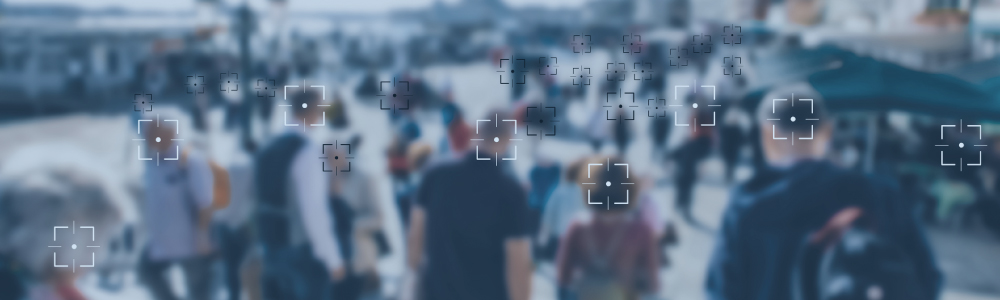
Facial recognition technology is versatile and finds use in several industries for both security and operational improvements. Here are key applications:
Security and Law Enforcement
- Threat Detection
- Identifies individuals from watchlists or flagged databases in real time, preventing unauthorized access or responding to potential threats.
- Perimeter Monitoring
- Detects and tracks trespassers or loiterers in secure areas.
- Forensic Analysis
- Assists investigations by matching suspects’ faces to historical footage or mugshot databases.
Retail and Commercial Enterprises
- Customer Behavior Analysis
- Tracks foot traffic patterns and evaluates customer behavior.
- Theft Prevention
- Detects shoplifters or repeat offenders entering a store.
- Loyalty Programs
- Recognizes VIP customers and automatically enhances service levels.
Healthcare
- Streamlined Identification
- Simplifies patient check-in processes by recognizing registered patients.
- Health Monitoring
- Detects patients’ emotional states such as stress for tailored care.
Transportation and Public Safety
- Contactless Boarding
- Speeds up passenger check-ins at airports, train stations, and cruise ports.
- Crime Deterrence
- Provides real-time alerts for individuals who have a history of criminal behavior.
Workplace Safety and Access Control
- Role-Based Access
- Ensures that only authorized personnel can enter restricted zones within a facility.
- Attendance Monitoring
- Automates timekeeping and attendance records.
For example, in the retail sector, facial recognition systems can flag known shoplifters as soon as they enter a store, allowing security teams to take immediate action. Similarly, hospitals might leverage these systems for accurate patient identification, reducing administrative errors.
Watchlist Monitoring
Facial recognition systems can enhance workplace security by integrating watchlists to proactively identify potential risks. Organizations can maintain databases of flagged individuals, such as terminated employees, ex-contractors, or others who pose possible safety concerns. When a flagged individual is detected attempting to access the premises, the system triggers real-time alerts, allowing security teams to respond immediately.
This application not only prevents unauthorized access but also protects employees and assets from potential threats. For instance, a facility supervisor could be notified the moment a known, high-risk individual approaches restricted areas, providing time to deploy necessary interventions. By automating these processes, facial recognition technology streamlines threat management while minimizing reliance on manual oversight.
Privacy Concerns and Ethical Challenges
Despite its advantages, facial recognition has raised significant concerns around privacy, bias, and ethical use.
Privacy Concerns
Facial recognition systems often collect and analyze data from public spaces, leading to questions about individuals’ rights to privacy. To address these concerns, organizations are implementing technologies like:
- Redaction Tools
- Blurring or masking faces in video footage to protect bystanders’ identities.
- Consent-Based Recognition
- Requiring opt-in verification for facial recognition in non-public areas like workplaces or commercial spaces.
For example, redaction technologies are already being integrated into police body cameras to help anonymize individuals who are not the subject of investigations.
Bias and Discrimination
Early facial recognition systems were criticized for demographic bias, often performing less accurately for certain ethnic or gender groups. New advancements, such as larger and more inclusive training datasets, have significantly improved these algorithms. However, organizations must remain vigilant to ensure fairness and reliability by:
- Testing systems across diverse populations.
- Providing regular audits to minimize error rates and potential misuse.
Legal & Ethical Concerns
The lack of clear regulations around the use of facial recognition raises questions about surveillance overreach. Organizations deploying the technology should consult legal counsel to ensure compliance with regional regulations and ethical guidelines, particularly in sensitive environments like schools or workplaces.
Emerging Trends and the Future of Facial Recognition
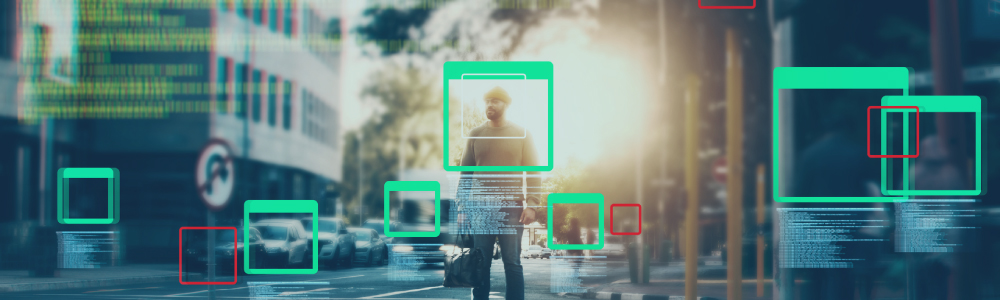
Facial recognition continues to evolve, driven by advancements in AI and hardware innovation. Some emerging trends include:
- Emotion Detection
- Understanding emotional states to enhance customer service or monitor employee well-being.
- Mask Recognition
- Adapting to the widespread wearing of face masks by focusing on upper facial features.
- Multi-Factor Verification
- Combining facial recognition with other biometric systems such as fingerprinting for added security.
For instance, future airport security checkpoints might integrate facial recognition with thermal scans and iris recognition to create a frictionless, high-security passenger experience.
Choosing and Optimizing Facial Recognition Systems
Selecting the right facial recognition technology involves assessing your organization’s specific needs and compliance standards. Considerations include:
- Integration with Existing Systems
- Ensure compatibility with your current infrastructure, such as access control or video management software.
- Environmental Factors
- Evaluate lighting, camera angles, and potential obstructions to ensure optimal accuracy.
- Vendor Expertise
- Work with trusted providers who prioritize ethical deployment and data security.
Final Thoughts
Facial recognition is transforming video surveillance by adding a powerful layer of security and intelligence across industries. While concerns about privacy and fairness remain, continuous advancements in AI and ethical oversight promise to make this technology more robust and compliant. Whether you’re looking to improve threat detection, streamline operations, or enhance customer experiences, facial recognition offers unparalleled opportunities.
Partnering with experts ensures the successful deployment of these systems while safeguarding against ethical pitfalls. Contact MCA to learn more about how facial recognition solutions can meet the growing demands of your organization, now and in the future.
