
Navigating Public Safety Radio: A Guide for Healthcare Leaders
In the critical moments that define emergency care, the clarity and reliability of communication can determine outcomes. For healthcare leaders, ensuring your Emergency Room is seamlessly connected to incoming first responders is a fundamental responsibility. Yet, the landscape of public safety radio—a complex web of VHF (HEAR Channels), UHF, T-Band (UHF2-Based Medical Channels), and P25 systems—can feel like a maze, making it difficult to determine the right investment for your facility’s unique needs.
This guide is designed to bring clarity to that complexity. We will outline a scalable, tiered approach to building a robust communication strategy, ensuring your facility not only meets compliance mandates but also elevates patient care. By understanding the available technologies, you can make an informed decision that empowers your team and fortifies your role within the community’s emergency response network.
Building a Scalable Emergency Room Communication Strategy
The right communication solution depends on your facility’s specific operational environment, from the local EMS agencies you coordinate with to the regional interoperability mandates you must meet. A tiered approach allows you to build a system that aligns with your immediate needs while providing a clear path for future growth.
Tier 1: The Foundational Connection for Essential Compliance
For many hospitals, the first and most crucial step is establishing a direct, reliable link to local EMS and fire agencies. These responders often operate on dedicated VHF public safety radio bands. The foundational solution for bridging this gap is a system centered around the MOTOTRBO™ SLR 8000 base unit.
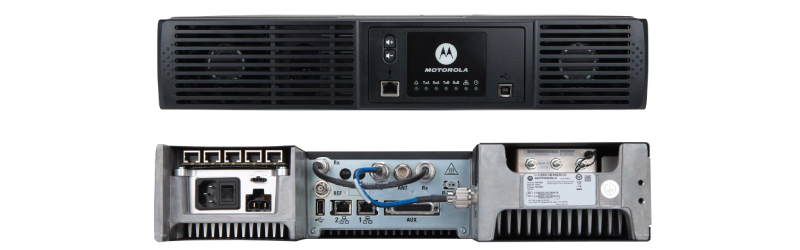
This high-performance repeater captures and clarifies incoming VHF signals, delivering them with exceptional clarity to an MCD 5000 Deskset at your nurse’s station. This provides a direct line of communication, allowing your team to receive real-time patient reports and prepare specialized equipment, rooms, and personnel before the ambulance arrives. It’s a powerful, straightforward solution that ensures compliance and dramatically improves ER readiness.
[Link: Explore the Foundational Solution Flyer]
Tier 2: Expanded Reach for Complex Urban Environments
Hospitals serving larger municipalities often face a more complex communication environment. In addition to VHF, first responder agencies may utilize UHF and specialized T-Band frequencies. To manage this multi-band landscape, an expanded solution is necessary. The MOTOTRBO™ SLR 5000 base unit is the key to this next tier.
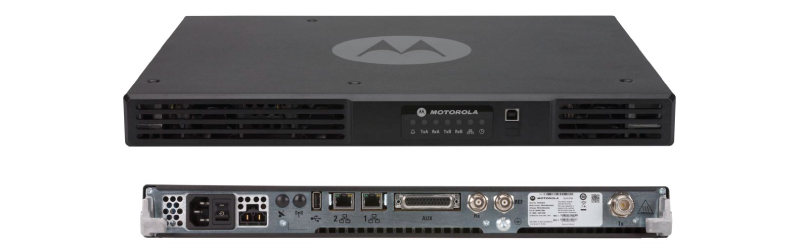
The SLR 5000 is a versatile repeater designed to cover the UHF and T-Band frequencies used by many metropolitan police, fire, and EMS agencies. It integrates seamlessly with the MCD 5000 Deskset, allowing your team to monitor VHF, UHF, and T-Band channels from a single, unified interface. This approach eliminates the need for multiple, confusing devices and ensures no critical transmission is missed. It provides a cost-effective path to expanded interoperability without requiring redundant hardware.
[Link: Discover the Expanded Reach Solution Flyer]
Tier 3: Total Interoperability for Premier Trauma Centers
For Level 1 Trauma Centers and hospitals in major metropolitan areas with strict multi-agency mandates, total interoperability is non-negotiable. These facilities must communicate across a full spectrum of radio systems, including both analog and modern P25 digital networks operating on 700/800 MHz bands. The premier solution for this tier is the Motorola APX™ Consolette.
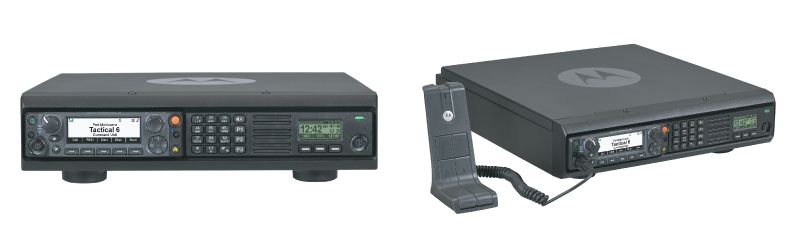
The APX Consolette is the definitive all-in-one device for total command and control. It consolidates every required band and system—VHF (HEAR), UHF, 700/800 (P25) MHz, analog, and digital—into a single, powerful station. When expertly integrated over an IP network with a SLR 8000 or SLR 5000 and the MCD 5000 Deskset system, it creates an unparalleled command center. This tier represents the highest standard of emergency communication, providing your facility with an uncompromised connection to the entire public safety ecosystem.
[Link: Learn About the Total Interoperability Solution Flyer]

The Constant: A Partnership That Guarantees Performance
Technology is only the beginning. A life-saving communication system is not a one-time purchase but a long-term commitment to reliability and performance. Regardless of the technology tier you choose, its long-term success depends on the strength of the partnership supporting it.
At MCA, we believe we are “Better Together.” This philosophy is the cornerstone of our commitment to our customers. Our Service Level Agreements (SLAs) are more than contracts; they are a promise of unwavering performance. Through proactive maintenance, expert project management for complex licensing, and guaranteed uptime from our certified team members, we ensure your system is always ready. We deliver peace of mind, knowing your vital communication lifeline is supported by a dedicated team committed to your success and the safety of the community you serve.
By working together, we can navigate the complexities of public safety radio and build a future where every patient receives the swiftest, safest, and most effective care possible.
Frequently Asked Questions (FAQ)
HEAR stands for Hospital Emergency Administrative Radio. HEAR channels are specific frequencies within the VHF band allocated for direct communication between hospitals and Emergency Medical Services (EMS). These channels enable hospitals to receive critical patient information from first responders before arrival, improving readiness, compliance, and outcomes in emergency care. HEAR channels are foundational for regulatory mandates and help ensure seamless patient handoff.
The T-Band refers to radio frequencies in the 470–512 MHz range within the UHF spectrum, assigned predominantly in major metropolitan areas across the United States. Many public safety agencies—especially in dense urban environments—rely on the T-Band for vital communications due to congestion on other bands. Hospitals in these regions are often required to monitor and transmit on T-Band channels to maintain interoperability with first responders, ensuring no message is lost during critical incidents.
Medical Channels, sometimes referred to as “Med Channels,” are a subset of the UHF2 segment within the T-Band (traditionally 488–494 MHz). These channels are specifically allocated for medical communications, allowing hospitals and EMS to coordinate during emergencies. In many fast-paced urban environments, the ability for an Emergency Room to reliably send and receive on Medical Channels is essential for regulatory compliance and optimal patient care.
How do hospitals know which public safety radio frequencies they must support?
Hospitals should work closely with their local Authorities Having Jurisdiction (AHJs), state agencies, and public safety partners to identify the public safety radio bands used by EMS, fire, and law enforcement in their service area. Regulatory requirements often mandate support for VHF HEAR channels and, in urban settings, expanded capability for T-Band and UHF2 Medical Channels. Regular consultation with radio communications experts and compliance reviews can help ensure the facility meets all mandates.
The 700/800 MHz P25 band is a set of frequencies specifically reserved for public safety communications and utilizes Project 25 (P25) digital radio standards. Increasingly adopted for interoperability among agencies, the P25 band supports clear, secure voice and data communication across police, fire, EMS, and hospitals. For hospitals in major metropolitan areas or multi-jurisdictional networks, the capability to communicate on 700/800 MHz P25 channels is crucial for real-time coordination, multi-agency preparedness, and disaster response. Facilities should assess their ability to access and integrate P25 channels to remain fully aligned with modern public safety expectations.
Interoperability is mission-critical. It allows hospitals to communicate directly with all first responders, regardless of which radio band they use. Ensuring that your ER communication system supports VHF, UHF, T-Band (including Medical Channels), and 700/800 MHz P25 channels eliminates critical communication silos, reduces response times, enhances patient safety, and satisfies both regulatory and operational demands in today’s converged public safety environment.
MCA’s team of certified professionals specializes in designing and maintaining public safety radio solutions customized to each facility’s unique needs. Contact our experts to discuss your current compliance status, communication infrastructure, and the best path forward in achieving seamless ER-to-EMS connectivity.
About MCA
We believe every workplace should be safe, secure, and efficient. As trusted advisors, we deliver integrated communication, connectivity, and security solutions with a Service First mindset – driven by a team that cares deeply about our customers and each other.
Why MCA? At MCA, we help solve critical communication, connectivity, and security challenges with turnkey, integrated system solutions – from two-way radios and in-building wireless to video surveillance, access control, and more. MCA is built from over 50 companies with deep technical expertise and strong local roots. And we’re still growing – expanding our capabilities, our reach, and our team.
Our 100+ Solution Centers bring together sales, installation, service, and customer operations teams to deliver seamless, nationwide support. Guided by our Service First value, we don’t just connect the wires and walk away – we provide customized solutions backed by deep expertise and lifecycle support.
