
A Lone Worker, A Silent Threat
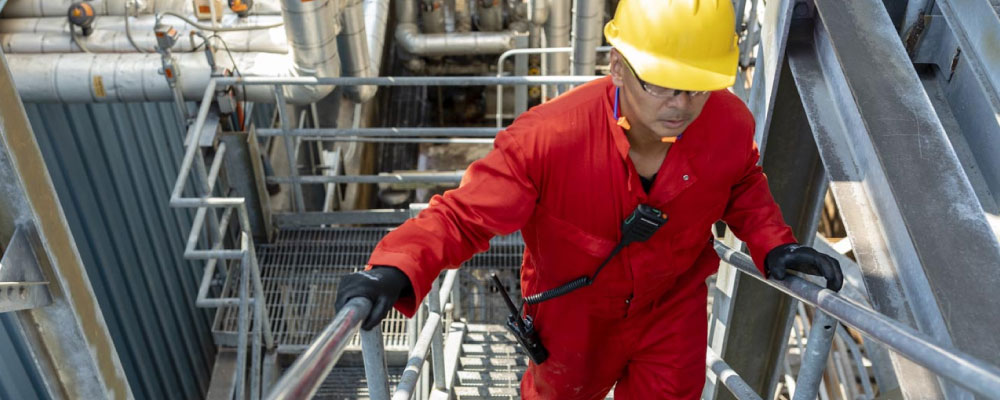
Miles from the nearest town, a lone worker performs a routine check on a remote pipeline pumping station. The air is still, broken only by the hum of machinery. Suddenly, a hiss pierces the quiet. It’s the tell-tale sound of a gas leak. In this isolated environment, a minor issue can escalate into a catastrophe within minutes. But today, technology is his unseen partner.
A specialized sensor detects the change in air quality and instantly transmits an alert. Simultaneously, the worker’s intrinsically safe MOTOTRBO radio crackles to life, not with a frantic voice, but with an explicit, automated notification detailing the specific sensor and its location. He presses the emergency button on his radio, sending his exact GPS coordinates to the central control room. The operator there already has eyes on the situation, with live video from an explosion-proof Avigilon camera confirming the leak. An automated workflow is triggered, initiating shutdown protocols and dispatching the nearest emergency response team. The worker is safe, the asset is protected, and a crisis is averted.
This is not a future-state ideal; it is the tangible result of a connected safety and security ecosystem. By uniting voice, data, video, and analytics, we build a resilient operational framework where technology empowers people, anticipates challenges, and ensures that no one ever truly works alone. It’s a story of how integration fosters a culture of safety that protects your people, your assets, and your entire operation.
What is a connected safety ecosystem in oil and gas operations?
It’s a unified framework that integrates voice, video, sensors, mass notification, analytics, and incident management to protect workers, secure assets, and enhance operational efficiency.
Protecting Your People in the Harshest Environments
In the oil and gas industry, your people are your most valuable asset, and their safety is paramount. Operating in remote and often hazardous conditions requires a communication and safety network that is as rugged and reliable as your team. A connected ecosystem provides the unwavering support needed so that every worker, whether part of a team or on a solo assignment, can perform their duties with confidence.
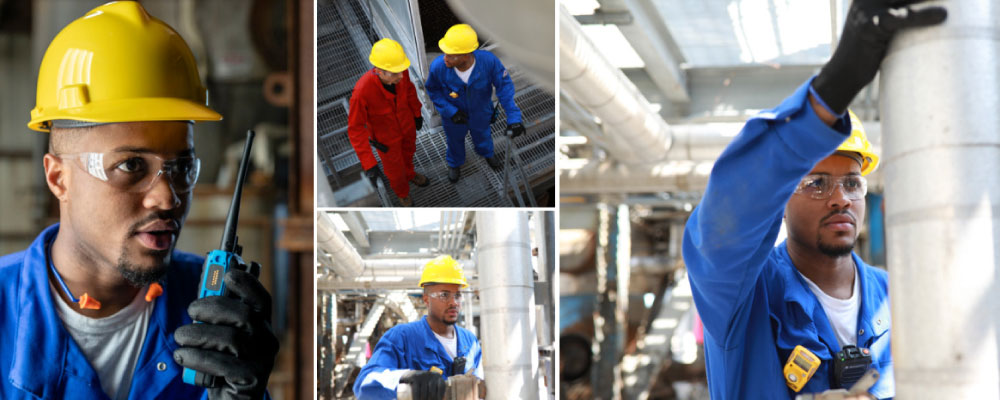
Imagine a maintenance crew working in a sprawling refinery complex. They rely on their rugged, dust-proof radios to coordinate tasks amidst the constant noise of heavy machinery. When a team member moves into an area with potentially explosive gases, their intrinsically safe device ensures communication remains active without introducing an ignition risk. Should a worker-down incident occur, the radio’s built-in man-down feature automatically sends an alert to the entire team and the control center, enabling an immediate and precise response.
This commitment to safety extends beyond communication. Body-worn cameras provide an objective record of maintenance procedures and safety checks, creating valuable training assets and protecting your organization from liability. For personnel entering confined spaces, these cameras can stream live video back to a supervisor, offering an extra set of eyes to guide the work and ensure protocols are followed. It is this combination of reliable communication and intelligent oversight that transforms a hazardous job into a controlled, safe operation.
System Capabilities
- Intrinsically safe and rugged two-way radios provide reliable communication in the most extreme conditions.
- Worker-down and lone-worker features automatically send alerts to ensure rapid assistance.
- Body-worn cameras capture objective evidence and provide real-time oversight for complex tasks.
How do lone worker technologies protect employees in remote oil and gas sites?
Intrinsically safe radios with emergency buttons, GPS, man-down detection, and automated workflows ensure workers receive immediate assistance—even when operating alone.
Securing Critical Infrastructure Against Every Threat
The security of your facilities – from remote wellheads to expansive processing plants – is fundamental to operational continuity. An integrated security solution creates a multi-layered defense system that protects your critical infrastructure from both external and internal threats, providing complete situational awareness 24/7.
Consider a remote pipeline station late at night. An unauthorized vehicle approaches a restricted access point. Before it even reaches the perimeter, an AI-powered Avigilon camera with license plate recognition identifies the vehicle is not on the approved list. An instant alert, complete with video footage, is sent to the security team at the central command center. The operator can then use the integrated access control system to ensure the gate remains locked and dispatch a security patrol to investigate, neutralizing the threat proactively.
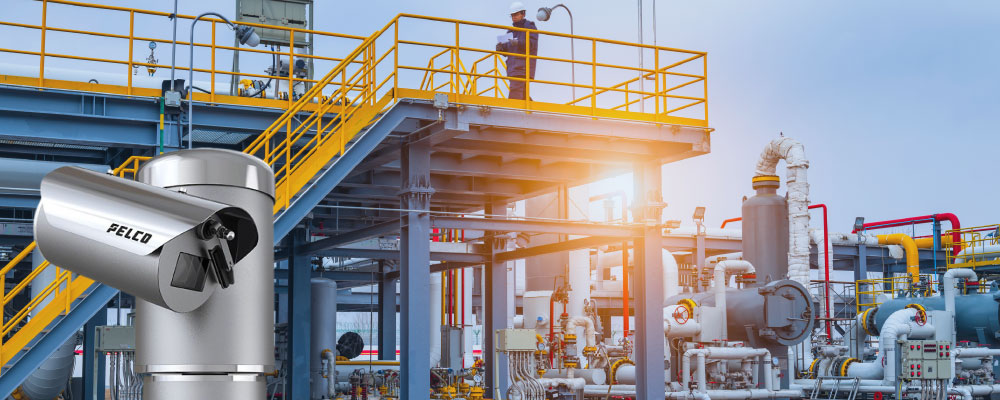
This intelligent vigilance extends across your entire site. Specialty cameras, including thermal and explosion-proof models, monitor critical equipment for anomalies. A thermal camera might detect an overheating pump motor, allowing maintenance to address the issue before it leads to a catastrophic failure and costly downtime. Access control systems do more than just lock doors; they create a detailed audit trail of every entry and exit. If a door to a sensitive area is propped open, the system immediately notifies security, closing a potential gap in your defenses. This unified approach ensures that your assets are protected by a vigilant, intelligent, and always-on security shield.
System Capabilities
- AI-powered video analytics detect and classify potential threats, from trespassing vehicles to loitering individuals.
- Integrated access control secures entry points and provides a complete audit trail of site activity.
- Specialized cameras, including thermal and explosion-proof options, monitor critical assets in challenging environments.
What are the most common security threats at oil and gas sites?
Unauthorized access, theft, vandalism, equipment tampering, environmental anomalies, and operational hazards – mitigated through AI video analytics, LPR, thermal cameras, and access control.
Driving Resilience and Efficiency with Integrated Operations
In an industry defined by complexity, operational efficiency and resilience are the cornerstones of success. A connected ecosystem breaks down data silos, automates workflows, and provides the actionable insights needed to optimize performance, reduce downtime, and respond effectively to any event.
When a critical alert is triggered – whether from a gas sensor, a thermal camera, or a panic button – it sets off a chain of integrated actions. It’s more than just an alarm; it’s the start of an intelligent response. The alert is instantly delivered as a mass notification via voice, text, and email to pre-defined groups, ensuring the right people get the correct information immediately.
Simultaneously, incident management software logs the event, presents relevant camera feeds to operators, and displays an interactive site map with the incident location clearly marked. It provides step-by-step response protocols, ensuring that teams follow established procedures even under pressure. This level of automation and process guidance minimizes human error and dramatically shortens response times. This data-driven approach enables you to move from a reactive to a proactive posture, using analytics to predict maintenance needs, optimize schedules, and build a more resilient, efficient operation.
System Capabilities
- Mass notification systems instantly deliver critical alerts to employees, response teams, and community members.
- Incident management software streamlines response with automated workflows and clear protocols.
- Integrated data and analytics provide insights to optimize maintenance, enhance safety, and improve overall efficiency.
How do integrated alerts improve emergency response in oil and gas operations?
Mass notifications, automated incident workflows, mapped events, and synchronized radio alerts ensure rapid, consistent communication across teams and systems.
Better Together: A Unified Vision for the Future of Energy
When you connect these stories – the protected lone worker, the secure remote asset, and the efficient, resilient operation – a clear vision for the future of the oil and gas industry emerges. It is a future powered by the seamless integration of voice, data, and video security, where technology works in concert to elevate human capability and ensure unwavering operational integrity. This is the promise of Motorola Solutions’ safety and security ecosystem.
This unified approach creates an environment where your teams are empowered to work safely and efficiently, your critical infrastructure is shielded from threats, and your entire operation is fortified against disruption. It is where technology amplifies your commitment to excellence, allowing you to meet the world’s energy demands safely and responsibly.
Why integrate communications, security, and analytics across oil and gas operations?
Integration eliminates silos, reduces human error, enhances worker safety, improves predictive maintenance, and ensures real-time visibility across all assets.
MCA: Your Partner in Powering a Safer Tomorrow
At MCA, we believe we are truly better together. As a trusted Motorola Solutions partner, we are driven by a shared purpose to help energy leaders build the connected, secure, and resilient operations of the future. We are dedicated to understanding the unique challenges of your world and engineering an integrated solution that unifies your technologies into a single, powerful system.
Our journey begins by listening. We collaborate with your team to design a solution tailored to your specific goals, from initial site assessment to full-scale deployment and ongoing support. Together, let’s build a safer, more connected, and more efficient future for the people and communities who depend on you.
Frequently Asked Questions About Connected Oil and Gas Safety
Connected safety integrates radios, sensors, video, analytics, and workflows to protect workers and improve operational visibility.
They automatically send emergency alerts, identify falls, transmit GPS location, and ensure workers can call for help even in remote areas.
AI video analytics, license plate recognition, thermal imaging, access control, and real-time monitoring.
It prevents ignition in hazardous, gas-rich environments, ensuring that communication devices remain safe to operate.
Alerts trigger automated workflows, mass notifications, mapped incident data, and instant video verification – reducing response time dramatically.
Yes. MCA engineers end-to-end, multi-site solutions that unify voice, video, data, and analytics for complete operational oversight.
About MCA
We believe every workplace should be safe, secure, and efficient. As trusted advisors, we deliver integrated communication, connectivity, and security solutions with a Service First mindset – driven by a team that cares deeply about our customers and each other.
Why MCA? At MCA, we help solve critical communication, connectivity, and security challenges with turnkey, integrated system solutions – from two-way radios and in-building wireless to video surveillance, access control, and more. MCA is built from over 50 companies with deep technical expertise and strong local roots. And we’re still growing – expanding our capabilities, our reach, and our team.
Our 100+ Solution Centers bring together sales, installation, service, and customer operations teams to deliver seamless, nationwide support. Guided by our Service First value, we don’t just connect the wires and walk away – we provide customized solutions backed by deep expertise and lifecycle support.
