

IoT and Smart Technology Are Propelling A Shift In Access Control Solutions
Recently, a significant shift has occurred in how we conduct operations and approach work. Technology and flexibility have emerged as crucial elements in determining success. Companies that can adapt quickly and embrace agility often outperform their counterparts. This phenomenon extends to the security industry as well. With the growing prevalence of cloud technology, the emergence of hybrid work models, and the escalating demand for interoperable technology in workplaces, trends in access control technology have evolved to meet the evolving needs of businesses striving to remain competitive and secure.
Access control trends have undergone a major shift, marked by the emergence of more sophisticated technology offered by a growing subset of innovative companies. Integrating smartphone apps and sensor technology has revolutionized the touchless access experience, transforming what was once considered a luxury into an essential feature in recent years.
With technology and the Internet of Things (IoT) infiltrating nearly every facet of daily life, from smart home gadgets to keyless vehicle entry systems, it’s unsurprising that smart technology has become a prominent trend in workplace physical security. This transition has also acclimated the general public to adapt to new access control technologies and methods swiftly.

Challenges in the Future of Physical Security
With the increasing digitization of business operations, data in transit becomes vulnerable to cyber attacks or theft. End-to-end encryption and establishing cyber-physical security convergence are crucial strategies to mitigate such vulnerabilities. Meanwhile, security systems must easily adapt to new trends and requirements as work evolves towards hybrid models. Outdated access control and physical security platforms pose a risk of breaches, emphasizing the importance of investing in technology with proven uptime and automatic software rollouts.
Anticipated Access Control Advancements in 2024
In 2024, the access control technology and physical security landscape are poised for notable advancements and challenges. Here’s an overview of the anticipated trends and challenges:
Multi-Technology Devices: Access control technology will witness the development of more powerful multi-technology devices capable of supporting various functions simultaneously.
Unified Systems: Businesses seek feature-rich systems that leverage deep learning and AI technology to streamline operations, automate processes, and enhance security.
Open Technologies: More providers are expected to adopt open technologies to facilitate seamless integration with other systems, reflecting the trend towards unification in security solutions.
Cyber And Physical Security Convergence
Although security convergence might not be explicitly listed among the new cyber or physical security trends for 2024, the significant proliferation of IoT devices in the market is prompting more companies to adopt a more holistic approach to security. Both now and in the foreseeable future of physical security, we anticipate witnessing more businesses integrating their IT and physical security infrastructure to enhance operational efficiency.
Organizations can eliminate redundancies, enhance response times, and foster increased collaboration by uniting cyber and physical security teams and procedures. This integration paves the way for greater platform automation and bolsters security measures throughout the organization.
Touchless Entry Technology
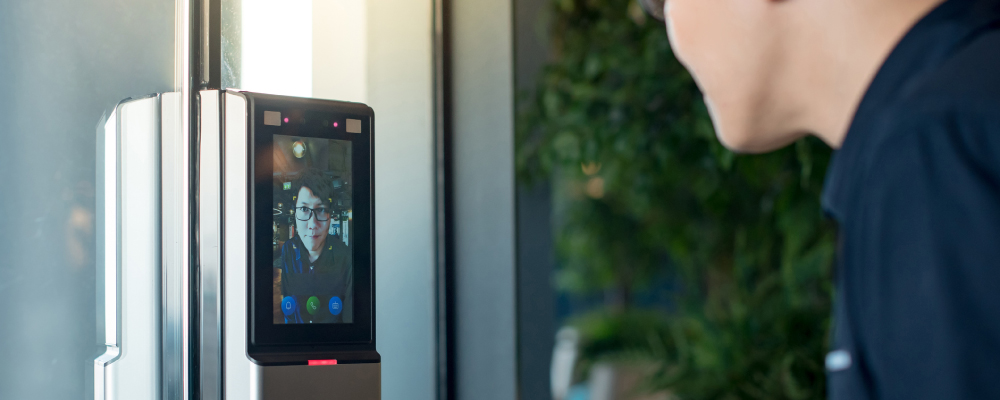
Touchless access stands out as a key access control technology trend in 2024. Due to its emphasis on safety and convenience, it is gaining popularity in public and commercial spaces with high foot traffic. Leading touchless access control solutions amalgamate the security and safety of legacy systems with touchless entry, eliminating the need for physical contact or traditional credentials at entry points.
In the realm of touchless access control technology trends for 2024, we anticipate increased adoption in the following areas:
Improved Physical Signal Configuration and Motion Sensing Technology: These advancements require users to perform specific actions at a designated distance, such as waving a hand in front of a reader, reducing the risk of accidental unlocks.
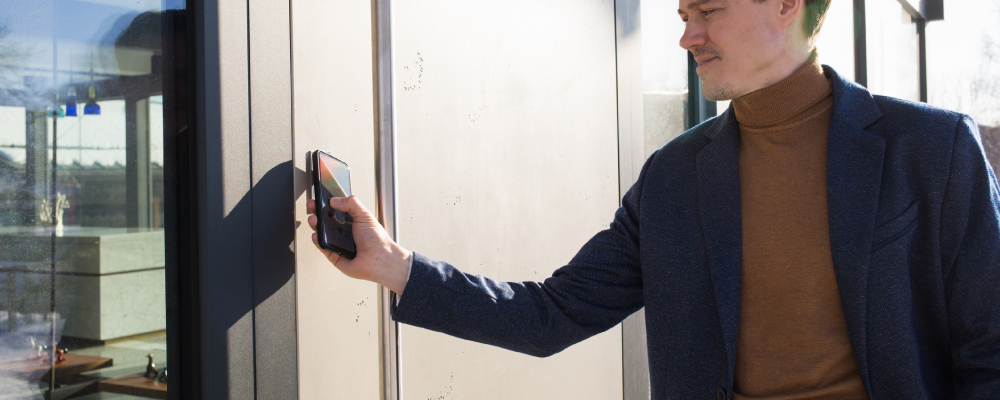
Enhanced Mobile Experiences: Companies are shifting towards solutions offering mobile credentials instead of traditional key cards and fobs. By leveraging smartphone apps and proximity technology, users can unlock doors nearby using their phones. As a pivotal element in the future of the access control industry, mobile technology is expected to become more reliable and offer additional features for end users and operators.
Biometric Technology for Access Control: Biometric access represents the future of access control, relying on individuals’ unique identities, such as facial features, fingerprints, or other physical identification factors, to confirm their identity. Mobile systems can integrate morphological biometrics used to unlock smartphones (e.g., FaceID, fingerprints) as an added layer of security.
Remote Management
The evolution of remote security and remote access management has significantly enhanced our security capabilities, particularly in recent years, and is poised to emerge as one of the most prominent physical security and access control technology trends of 2024.
Initially, this access control trend gained momentum by enabling building owners to secure their premises even when unoccupied, laying the groundwork for many businesses to maintain operational continuity in support of hybrid working environments.
The primary advantage of remote security in the future of access control lies in its ability to offer organizations flexibility irrespective of their teams’ locations. With remote access capabilities, teams can swiftly respond to critical security events without being constrained by geographical limitations. They can instantly adjust user permissions and door schedules, ensuring seamless security management.
Remote door access control is beneficial for granting access to vendors and employees without needing physical presence on-site. The key challenge is ensuring remote unlocks are exclusively executed for verified individuals. Integrating video and access control, another noteworthy access control trend for 2024, can mitigate this vulnerability effectively.
Unification With Security Systems
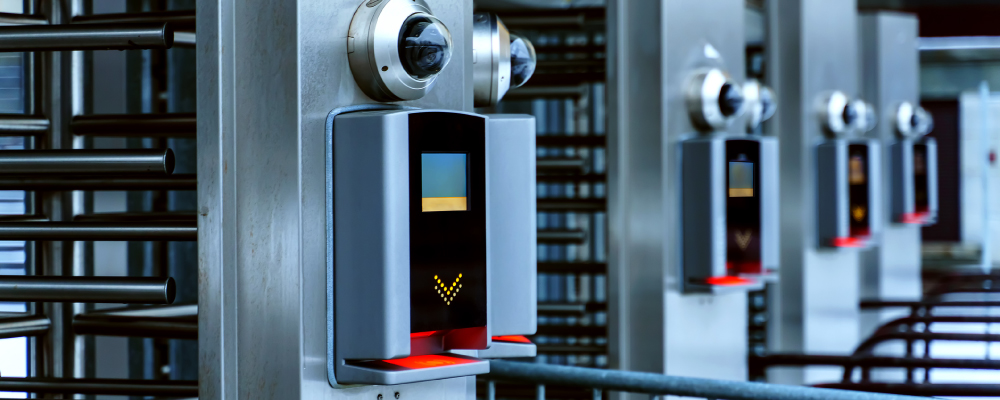
Traditionally, access control systems have operated in isolation; however, recent access control trends for 2024 indicate that the future of physical security hinges on seamlessly integrated systems. Opting for platforms with open, interoperable capabilities is becoming the new standard for access control and video security and visitor management, building management, and analytics tools.
By amalgamating the capabilities of these systems, technology from both realms can be optimized to enhance the overall user experience while assisting building managers and owners in enhancing efficiency, productivity, and sustainability.
The convergence of video and access control technology enhances visibility and situational awareness. However, successfully embracing this 2024 access control trend requires collaboration with providers offering intuitive software that seamlessly integrates both functions.
Moreover, investing in technology built on open standards facilitates easier integration with current tools and accommodates future additions for scalable systems. The data collected through comprehensive building integrations plays a pivotal role in future-proofing operations:
Managing energy consumption based on occupancy levels.
Enhancing security by detecting unusual motion or system behavior.
Identifying trends that inform future decisions.

Using AI To Build Automation
As physical security and access control technology continue to evolve, companies have a significant opportunity to streamline their operations. Hence, we anticipate that automation will emerge as one of the leading access control trends in 2024.
Instead of relying solely on individuals to monitor every video feed and access attempt around the clock, the future of the access control industry will increasingly rely on artificial intelligence (AI). While AI cannot replace human verification, it proves invaluable in guiding security teams on where to focus their efforts and when.
Analytical data from integrated systems offers critical insights into operations, enabling teams to swiftly identify anomalies and trigger specific workflows or processes to fortify security measures.
One notable example of this access control technology trend involves predefined rules to activate lockdowns, alarms, or alerts following specific access control events. This form of automation plays a pivotal role in minimizing damages during emergencies and is equally effective in assisting teams in efficiently managing daily incidents, such as lockouts or doors left ajar.
Multi-Factor Authentication
Multi-factor authentication (MFA) is gaining popularity due to its enhanced security and reliability in the face of advancing cybercrime and hacking techniques. Traditional methods of safeguarding data and physical assets are no longer sufficient against modern threats. MFA mandates multiple authentication levels before granting access, significantly raising the bar for unauthorized entry, whether to buildings or networks.
As a prominent access control technology trend, MFA necessitates users to present multiple credentials at entry points. In mobile applications, users might need to utilize FaceID or their passcode to unlock their phones and an app to request an unlock.
Many companies augment mobile authentication with PIN codes or key cards in a multi-layered approach to securing high-risk areas. However, if your access control readers cannot accommodate both credential types, installing multiple devices at the door becomes necessary. To embrace this 2024 access control technology trend for your business, consider providers offering multi-technology readers, allowing you to install a single-edge device for streamlined implementation.
Embracing Hybrid Cloud Solutions
According to Flexera, 92% of companies currently utilize cloud-based systems. The cloud offers numerous advantages, from document storage and management to security enhancements, making it a significant trend in physical security for 2024.
Cloud-based security and access control solutions are highly scalable, allowing organizations to manage multiple sites centrally. This centralized control enables faster and more precise responses to breaches. Cloud applications also enable security teams to monitor and analyze data from various sites and locations in one consolidated platform, enhancing the efficiency of multi-site access management.
However, while cloud-native solutions offer many benefits, they may not always suit every organization. Some industries, for instance, require on-premise servers for stricter security protocols, while others may be unable to replace their existing infrastructure. In such cases, hybrid cloud systems are gaining popularity. These systems enable businesses to leverage cloud data storage, real-time activity alerts, and remote monitoring by connecting existing devices to cloud-connected software solutions.
All-In-One Devices
The proliferation of video doorbell devices in residential markets has sparked interest in commercial properties, leading to the inclusion of all-in-one devices in our 2024 access control trends. Instead of deploying multiple devices to secure entries, property owners seek solutions that offer comprehensive features in a single unit.
Modern entry solutions now incorporate readers with integrated HD cameras, two-way audio, video intercom technology, and doorbell functionality, minimizing the number of devices required at entry points. These all-in-one devices are space-efficient, cost-effective, and future-proof, with many boasting powerful AI capabilities that enhance sophistication and usability.
As discussed earlier, remote management is a growing access control trend. These technology solutions offer improved visibility and rapid control over commercial spaces and offices. Additionally, it provides greater convenience for daily users and visitors alike. This convergence of features makes all-in-one devices a compelling choice for enhancing security and accessibility in commercial settings.
About MCA
MCA is one of the largest and most trusted access control system integrators in the United States, offering world-class voice, data, and security solutions that enhance the quality, safety, and productivity of customers, operations, and lives.
More than 65,000 customers trust MCA to provide carefully researched solutions for a safe, secure, and more efficient workplace. As your trusted advisor, we reduce the time and effort needed to research, install, and maintain the right solutions to make your workplace better.
Our team of certified professionals across the United States delivers a full suite of reliable technologies with a service-first approach. The MCA advantage is our extensive service portfolio to support the solution lifecycle from start to finish.
