

The Importance of Industrial-Grade Networking in Extreme Environments
The oil and gas industry operates in some of the most demanding and high-stakes environments on the planet. From remote well sites and offshore drilling platforms to refineries, pipelines, and vehicles, these operations frequently occur in isolated, hazardous, and unforgiving environments. In such environments, maintaining secure, reliable, and resilient communication networks is not just a technical requirement – it’s a critical factor for ensuring worker safety, operational efficiency, and adherence to strict regulatory standards.
Unlike conventional enterprise networks, connectivity in oil and gas operations must withstand a unique combination of challenges, including extreme temperatures, intense vibrations, corrosive environments, and explosive atmospheres. The risk of communication failure in these situations isn’t just inconvenient – it can jeopardize lives, disrupt production, and lead to costly downtime or environmental incidents.
For these reasons, the industry relies on industrial-grade cellular routers specifically designed to meet the rigorous demands of such operations. These routers surpass consumer or traditional enterprise networking equipment, offering features such as hardened enclosures, advanced safety certifications, and the ability to operate seamlessly in harsh and hazardous environments. Certified to meet standards such as IP ratings, MIL-SPEC (MIL-STD-810G), SAE J1455, and HazLoc (Class 1 Div 2), these devices ensure uninterrupted connectivity, even when conditions push equipment to its limits.
Implementing industrial-grade cellular routers is not just about enhancing communication – it’s about creating a foundation of resilience and reliability in environments where failure is not an option. Whether supporting remote monitoring, real-time data transfer, or emergency response systems, these hardened solutions play a crucial role in ensuring the smooth operation of critical oil and gas operations while protecting both workers and infrastructure.
In this article, we’ll dive deeper into the role of industrial-grade networking in upstream, midstream, and downstream operations, explore the key features of hardened cellular routers, and guide you on selecting the proper connectivity solutions to meet your operational needs.
The Critical Role of Industrial-Grade Cellular Routers in Oil and Gas Operations
In the oil and gas industry, reliable and secure connectivity isn’t optional – it’s a necessity. Industrial cellular routers play a pivotal role in enabling seamless communication and networking across remote and often harsh environments. These routers support SCADA systems, telemetry, remote monitoring, automation, and workforce communications, ensuring operations remain efficient, safe, and connected.
However, the demanding conditions of oil and gas environments require far more than what standard commercial routers can deliver. Industrial-grade routers are specifically designed to address these unique challenges, offering robust features that ensure uninterrupted performance even in the most challenging scenarios.
Here’s why they are indispensable:
1. Designed for Hazardous Environments
Oil and gas sites are often located in hazardous areas where flammable gases, vapors, or dust are present. This requires routers to be HazLoc Class 1 Div 2 certified, ensuring they operate safely without sparking ignition in explosive atmospheres. Without this certification, equipment could pose a significant safety risk, endangering lives and infrastructure.
2. Built to Withstand Extreme Conditions
From scorching deserts to freezing offshore rigs, oil and gas operations demand equipment that can endure extreme weather and environmental conditions. Industrial routers are IP-rated to provide resistance against:
- Dust and water ingress, ensuring reliability in sandy deserts or rainy offshore platforms.
- Corrosive chemicals and high humidity are critical for environments where exposure to salt spray or chemicals is unavoidable.
These rugged designs ensure unwavering performance, regardless of the conditions.
3. Durability Under Constant Motion
Mobile operations such as monitoring pipelines, operating drilling trucks, or working on oil rigs expose equipment to constant shock and vibration. Industrial routers comply with rigorous standards like MIL-STD-810G, SAE J1455, and EN 61373, ensuring they remain functional despite harsh mechanical impacts. This durability is essential for maintaining reliable connectivity in vehicles and mobile units critical to oil and gas operations.
3. Durability Under Constant Motion
Mobile operations such as monitoring pipelines, operating drilling trucks, or working on oil rigs expose equipment to constant shock and vibration. Industrial routers comply with rigorous standards like MIL-STD-810G, SAE J1455, and EN 61373, ensuring they remain functional despite harsh mechanical impacts. This durability is essential for maintaining reliable connectivity in vehicles and mobile units critical to oil and gas operations.
4. Robust Cybersecurity Measures
In an era where cyber threats are increasingly targeting industrial control systems (ICS), security is paramount. Industrial routers are equipped with advanced cybersecurity features, including:
- VPN and data encryption safeguard sensitive operational data during transmission.
- Secure remote access, enabling safe troubleshooting and system updates without compromising the network.
- Firewalls and intrusion detection protocols shield critical systems from unauthorized access or attacks.
These security measures help protect oil and gas infrastructure from costly and potentially catastrophic breaches.
5. Reliable Integration with SCADA and IoT Systems
Modern oil and gas operations rely heavily on SCADA systems and IoT devices to enable real-time monitoring, automation, and data-driven decision-making. Industrial routers are engineered to seamlessly integrate with these systems, providing stable, high-bandwidth connectivity that ensures uninterrupted data flow from remote sites to central monitoring stations.
6. Scalability for Evolving Needs
Oil and gas sites often expand or shift focus as operations evolve. Industrial-grade routers are designed to scale with these changing needs, offering flexibility in bandwidth, coverage, and device compatibility. This adaptability ensures businesses can future-proof their network infrastructure without incurring significant additional costs.
The oil and gas industry operates in some of the most demanding environments on the planet. Industrial-grade cellular routers are not just helpful—they’re essential for ensuring safety, reliability, and efficiency. From withstanding hazardous conditions and extreme environments to providing robust cybersecurity and seamless SCADA integration, these routers are specifically tailored to meet the unique challenges of the industry. Investing in the right networking technology isn’t just a wise choice – it’s a critical component of successful oil and gas operations.
Cellular Router Solutions for Oil and Gas Operations
The oil and gas industry relies heavily on reliable, high-speed connectivity to ensure safe, efficient, and uninterrupted operations. From remote well sites to refineries, each stage of the oil and gas supply chain – upstream, midstream, and downstream – faces unique challenges that demand robust networking solutions. Cellular routers are at the forefront of addressing these connectivity needs, offering secure, real-time data transmission, SCADA integration, and environmental monitoring capabilities, even in the harshest environments.
Upstream: Remote Well Sites and Offshore Platforms
Upstream operations focus on exploration, drilling, and production of oil and natural gas, often in remote or offshore locations. These sites rely on real-time data transmission for SCADA systems, IoT sensors, and environmental monitoring to ensure safety, optimize performance, and minimize downtime. However, the remote nature of well sites and offshore rigs creates unique connectivity challenges. Traditional networks are often unavailable, making private LTE/5G networks and satellite failover essential to maintain seamless communication.
Key Requirements:
- Benefits of Cellular Connectivity in Upstream:
- Enhanced safety and efficiency through real-time data monitoring.
- Reliable communication for predictive maintenance and remote management.
- Environmental monitoring to meet regulatory compliance.
Midstream: Pipeline and Transportation Operations
Midstream operations encompass pipelines, storage terminals, and transportation fleets. These systems require high-speed, low-latency connectivity to enable asset tracking, leak detection, and automation of control systems. With pipelines spanning vast geographic areas and fleets constantly in motion, maintaining secure and reliable connectivity is essential. Midstream operations must overcome challenges such as remote locations, harsh environments, and cybersecurity risks.
Key Requirements:
- Benefits of Cellular Connectivity in Midstream:
- Real-time GPS tracking for pipelines and fleet vehicles.
- Improved response times for leak detection and maintenance.
- Cybersecurity protection against potential threats.
- Local data analytics through edge computing, reducing dependence on centralized systems.
Downstream: Refineries and Distribution Centers
Downstream operations focus on refining, processing, and distributing petroleum products. Refineries and chemical plants require ultra-reliable, high-speed connectivity to manage automation, process control, and security surveillance. These environments demand industrial-grade networking solutions that meet stringent safety certifications while supporting operational uptime and scalability.
Key Requirements:
- Benefits of Cellular Connectivity in Downstream:
- Enhanced operational efficiency through automation and predictive analytics.
- High-bandwidth video streaming for perimeter security and surveillance.
- Reduced downtime with reliable failover redundancy.
- Seamless SCADA integration for process control and monitoring.
Purpose-Built Cellular Routers for Every Stage
The oil and gas industry operates across upstream, midstream, and downstream sectors, each with specific operational, environmental, and safety challenges. Choosing the right cellular router is essential to ensure secure, reliable, and high-performance connectivity in harsh and remote locations.
Below is an overview of industrial-grade routers and their ideal applications:
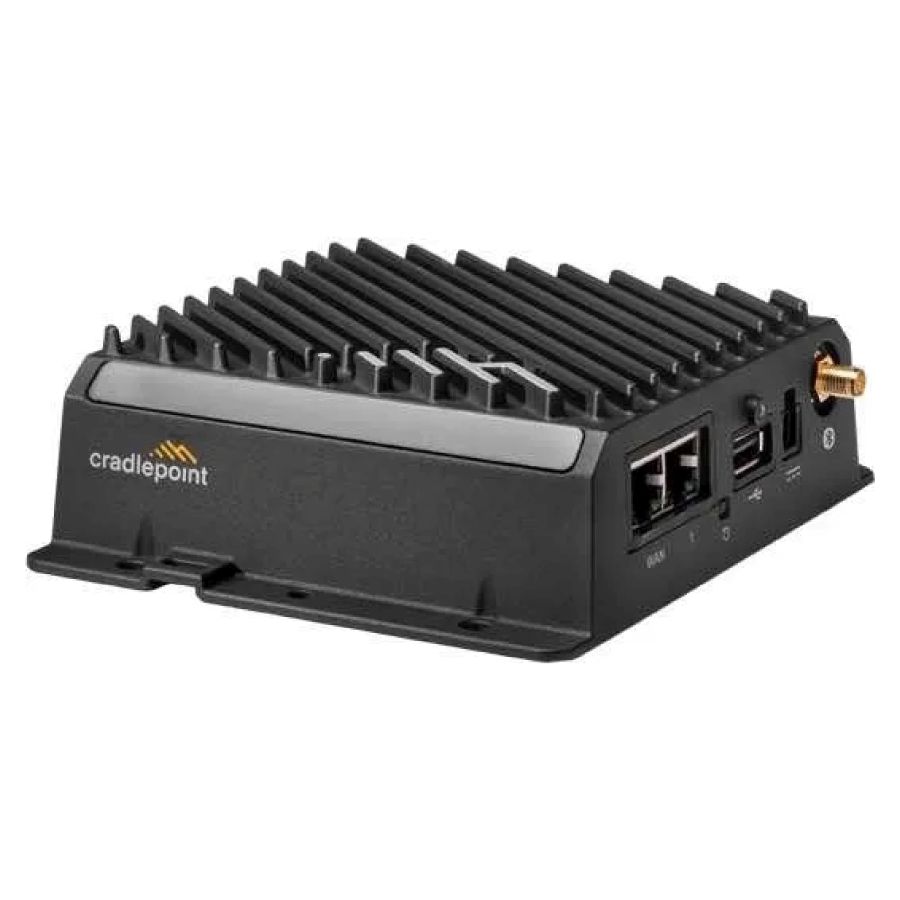
Cradlepoint R920
Best for: Upstream offshore platforms and midstream pipeline inspection fleets
The Cradlepoint R920 is designed for rugged environments and extreme weather conditions. Its dual-SIM failover, combined with advanced LTE and 5G capabilities, ensures uninterrupted connectivity both offshore and during transit between inspection sites. With built-in edge computing capabilities, it enables real-time data processing and transmission, enhancing situational awareness and operational safety for inspection crews.
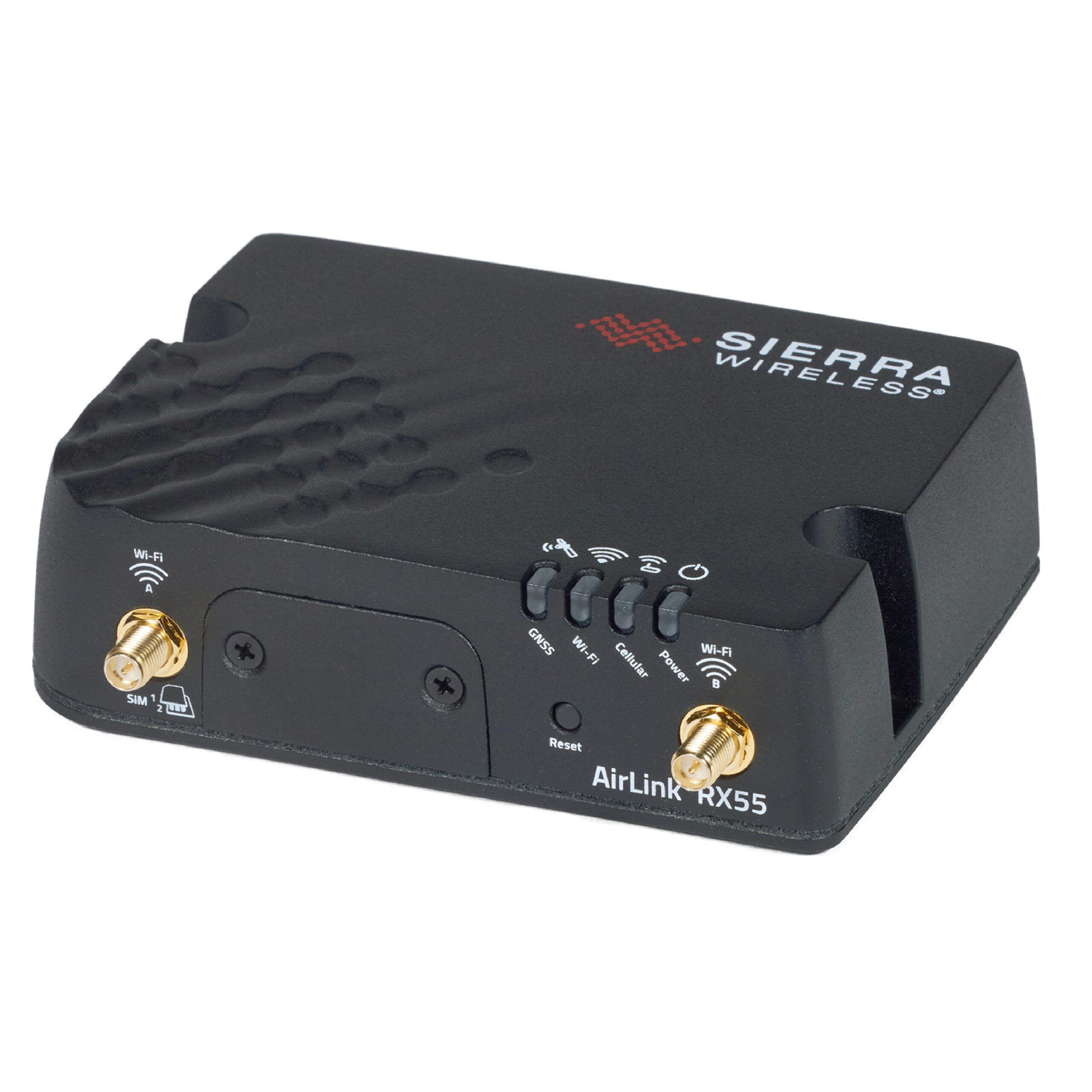
Semtech AirLink RX55
Best for: Upstream remote well sites and downstream fixed industrial facilities
The AirLink RX55 is a compact yet powerful router designed for low-latency communication, critical for remote monitoring and control. It supports industrial protocols commonly used in automation, SCADA, and telemetry systems at upstream wellheads or downstream manufacturing and blending facilities. Its ultra-rugged design, including Class I Division 2 certification, ensures reliable performance in hazardous environments exposed to dust, vibration, and extreme temperatures.
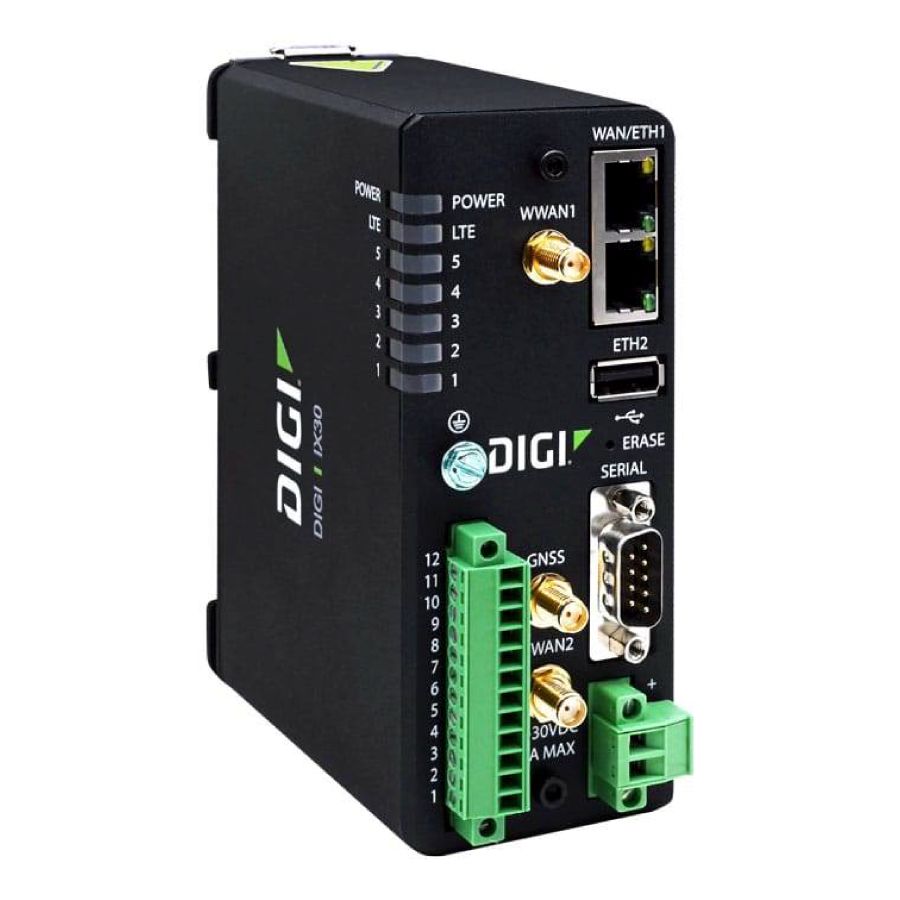
Digi IX30
Best for: Hazardous zones in upstream, midstream, and downstream sectors
The Digi IX30 is purpose-built for high-risk, harsh environments. It offers advanced cybersecurity features, multiple I/O ports for sensor integration, and dependable LTE/5G connectivity. This makes it ideal for mission-critical applications such as environmental monitoring, asset tracking, and equipment control. With industrial certifications like Class I Division 2, it is well-suited for use on drilling rigs, pipelines, and chemical processing facilities.
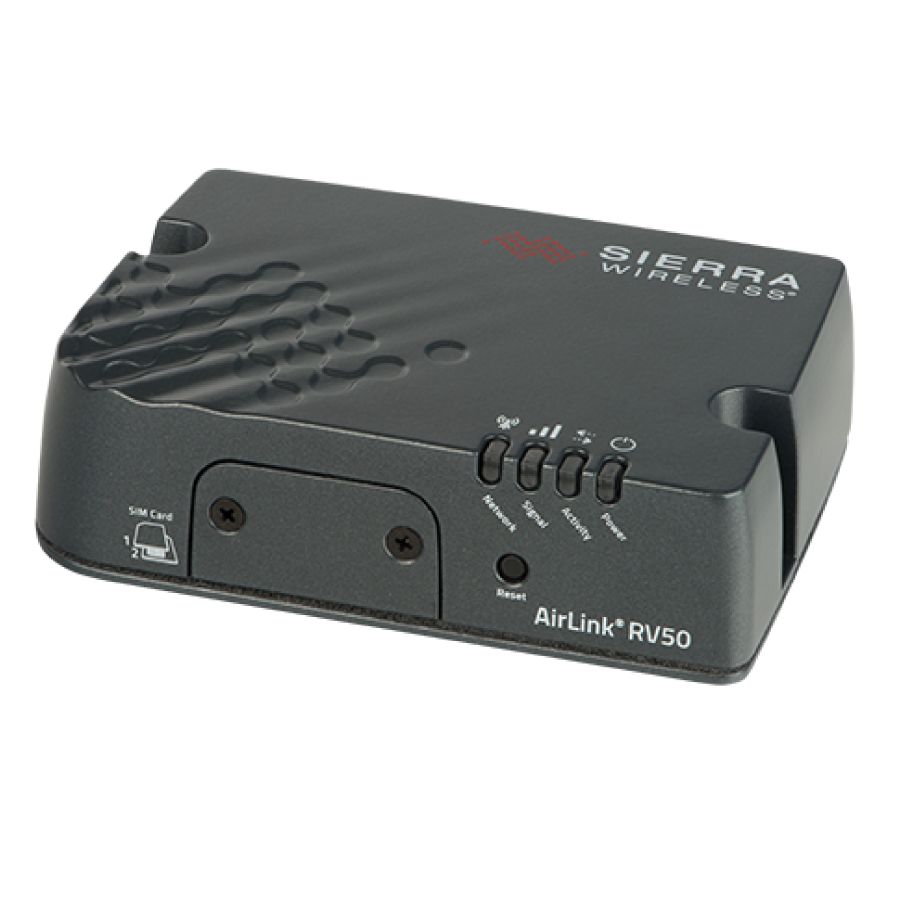
Semtech AirLink RV50X
Best for: Midstream pipeline monitoring and SCADA applications
The RV50X is optimized for remote, solar-powered midstream sites due to its ultra-low power consumption. It excels in SCADA communications, enabling real-time monitoring and control of pipeline pressure, flow, and leak detection systems. Its remote management capabilities and robust environmental certifications ensure reliable operation with minimal maintenance, even in isolated areas.

Cradlepoint R980
Best for: Downstream refineries, petrochemical plants, and large-scale industrial complexes
The Cradlepoint R980 is designed for high-bandwidth environments requiring secure and fast data transmission. Supporting SD-WAN, Wi-Fi 6, and multi-carrier 5G connectivity, it seamlessly integrates operational technologies with IT networks. This router is ideal for applications such as real-time video surveillance, high-resolution data streaming, and predictive maintenance analytics in downstream facilities.
Integrated Support for Mission-Critical Operations
These rugged cellular routers deliver exceptional performance, security, and flexibility, supporting essential functions like real-time asset monitoring, remote automation, and emergency communications. By combining these devices with MCA’s expert network design, industrial antenna solutions, and end-to-end lifecycle support, oil and gas operators can optimize safety, efficiency, and reliability across all operational environments.
Transforming Oil and Gas Connectivity with Private LTE and 5G
The oil and gas sector is evolving rapidly, and reliable connectivity has become the backbone of this transformation. Private LTE and 5G networks are no longer optional – they are essential for enabling real-time decision-making, automation, and secure, resilient operations in remote and challenging environments. By leveraging advanced cellular router solutions, companies can extend network coverage, enhance operational efficiency, and ensure safety across all phases of production.
With MCA’s ruggedized, enterprise-grade cellular routers, organizations gain access to cutting-edge technology designed specifically for the unique demands of oil and gas operations. From seamless integration with SCADA and IoT systems to advanced security and failover connectivity, MCA delivers solutions that not only meet today’s needs but also prepare your business for the future.
Contact MCA today to discover how private LTE and 5G-enabled cellular routers can transform your operations and keep your business at the forefront.
About MCA
MCA is one of the largest and most trusted technology integrators in the United States, offering world-class voice, data, and security solutions that enhance the quality, safety, and productivity of customers, operations, and lives.
More than 65,000 customers trust MCA to provide carefully researched solutions for a safe, secure, and more efficient workplace. As your trusted advisor, we reduce the time and effort needed to research, install, and maintain the right solutions to make your workplace better.
Our team of certified professionals across the United States delivers a full suite of reliable technologies with a service-first approach. The MCA advantage is our extensive service portfolio to support the solution lifecycle from start to finish.
