

Object Detection in Video Surveillance: Enhancing Security and Operational Awareness
What is Object Detection?
Object detection is a critical capability that sets modern video surveillance systems apart. It enables cameras and software to identify, classify, and respond to specific objects within their field of view in real time. Unlike traditional motion detection that only senses movement, object detection deploys advanced artificial intelligence (AI) and deep learning algorithms to provide a higher level of intelligence. These systems differentiate between objects—such as individuals, vehicles, or packages—and deliver actionable insights to bolster security, optimize operations, and ensure safety.
For example, in airports, object detection systems can identify unattended luggage, while in industrial settings, the technology can confirm whether personnel are wearing mandated protective equipment, such as hard hats.
How Does Object Detection Work?
Object detection operates through a series of sophisticated steps that transform raw video streams into actionable intelligence:
- Image Preprocessing – Initial video frames are cleaned and enhanced for clarity by reducing noise and improving lighting quality.
- Feature Extraction – The system analyzes attributes like the object’s shape, size, color, and movement patterns to generate identifiable features.
- Object Classification – Detected objects are compared against predefined categories (e.g., vehicles, humans, or packages) based on training data.
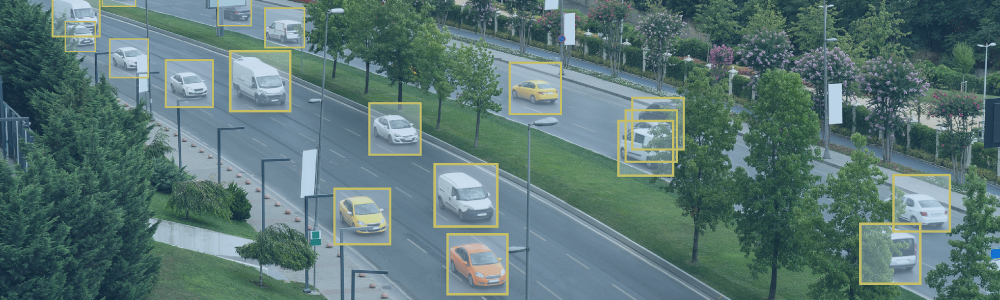
- Localization – Bounding boxes are drawn around objects, pinpointing their exact position in the video frame.
- Tracking and Alerts – Once detected, the system follows the object’s movement and triggers alerts for specific scenarios such as unauthorized access, loitering, or abandoned items.
For instance, a retail store may configure its system to detect customers who linger in high-value product zones for unusual periods, potentially indicating suspicious behavior.

Factors That Can Impact Object Detection Accuracy
Despite rapid advancements in AI-driven object detection, certain challenges continue to limit its effectiveness under specific conditions:
- Low Visibility Conditions
- Poor lighting, fog, or glare may obscure objects, making them harder to identify accurately.
- Physical Obstructions
- Walls, furniture, or other objects blocking the camera’s viewpoint can lead to undetected or misclassified objects.
- Image Noise
- Pixelated or low-quality footage can disrupt the algorithm’s ability to extract distinguishing features.
- False Alarms
- The system may misinterpret harmless objects—such as shadows or animals—as security threats.
- Lens Contamination
- Elements like dirt, water, or insects on the lens can degrade video quality and undermine detection processes.
Addressing these challenges often involves deploying higher-resolution cameras, improving environmental conditions, or fine-tuning AI models to adapt to unique scenarios.
Current Object Detection Capabilities
Today’s surveillance systems stand at the forefront of AI advancements, capable of identifying a broad range of objects and patterns:
- People
- Systems can detect individuals, recognize groups, and even analyze crowd density to ensure proper event management or security.
- Vehicles
- Detects various vehicle types, including cars, motorcycles, buses, and trucks. Some systems specialize in license plate recognition for access control at security checkpoints.
- Animals
- Monitors wildlife or domestic animals that may impact operations in facilities like airports or industrial sites.
- Firearms
- Detects the presence of drawn weapons and automatically triggers emergency responses.
- Face Masks (Medical)
- Identifies individuals wearing face masks to ensure compliance during public health events.
- Bags and Luggage
- Flags potentially abandoned items in high-security zones for further inspection.
For instance, a transportation center might use object detection for crowd monitoring while simultaneously scanning for unattended packages.
Advanced Object Movement Detection
Many systems now extend their capabilities to track dynamic scenarios, providing contextual insights well beyond mere object recognition:
Loitering Detection – Identifies people or objects lingering in restricted or sensitive areas for extended periods.
Direction Monitoring – Detects violations of designated movement patterns, such as vehicles traveling the wrong way.
Object Entry/Exit – Tracks when objects enter or leave specific areas, enabling better oversight of restricted zones.
Dropped or Removed Items – Alerts staff about abandoned backpacks in airports or the removal of equipment from a designated work site.
Emerging and Theoretical Capabilities
The landscape of object detection is continuously expanding as researchers focus on pushing boundaries to address specific industry needs:
- Intruder Disguises – Future systems aim to detect obscured faces or individuals wearing full coverings that conceal identity.
- Hard Hat Detection – Currently in testing phases, this tool ensures compliance with workplace safety policies in industries like construction and manufacturing.
- PPE Monitoring – AI is also being developed to recognize additional safety gear, including gloves, safety glasses, and high-visibility vests.
These innovations illustrate how object detection is not just evolving but also becoming pivotal in addressing emerging regulatory and operational requirements..
Practical Applications Across Industries
Object detection technology is vital for organizations across sectors seeking enhanced security and operational efficiency.
Security and Law Enforcement*
- Threat Detection – Identifies trespassers, concealed weapons, or suspicious packages in real time.
- Perimeter Monitoring – Alerts operators to unauthorized entry or loitering around sensitive zones.
Retail and Commercial Properties
- Theft Prevention – Systems monitor customer behavior to detect shoplifting attempts.
- Foot Traffic Analysis – Tracks customer flow through stores to optimize staff allocation and design layouts.
Transportation and Public Safety
- Crowd Control – Helps manage busy areas like train terminals or airports, particularly during peak hours.
- Traffic Incident Detection – Flags wrong-way drivers or accidents on busy roadways.
Industrial and Workplace Safety
- PPE Compliance Checks – Detects whether workers are adhering to safety protocols.
- Hazard Warnings – Identifies unauthorized or unsafe presence in high-risk zones.
*For example, law enforcement agencies leverage such technologies to track suspects in crowded public spaces without human intervention.
Choosing the Right Object Detection System
Selecting the right solution for your organization requires a thorough evaluation of your industry needs, security priorities, and operational goals. Factors such as environmental conditions, camera placement, and integration with your current security setup play a significant role.
MCA partners with top-tier technology providers, including Avigilon, Genetec, Axis Communications, and Bosch, to deliver the most reliable and cutting-edge object detection solutions. Whether your organization requires license plate recognition, advanced motion tracking, or facial recognition capabilities, MCA offers tailored solutions backed by expert support.
Final Thoughts
Object detection has profoundly transformed video surveillance, creating opportunities for businesses and public institutions to achieve unparalleled security, operational intelligence, and regulatory compliance. Continuous advancements in AI and deep learning will likely expand detection capabilities, enhance precision, and reduce false alerts. Working with a knowledgeable partner like MCA allows you to stay at the forefront of these technologies, ensuring your organization remains agile and prepared for evolving threats and challenges.
Reach out to MCA today to explore how our solutions can meet your unique security and operational needs.
