
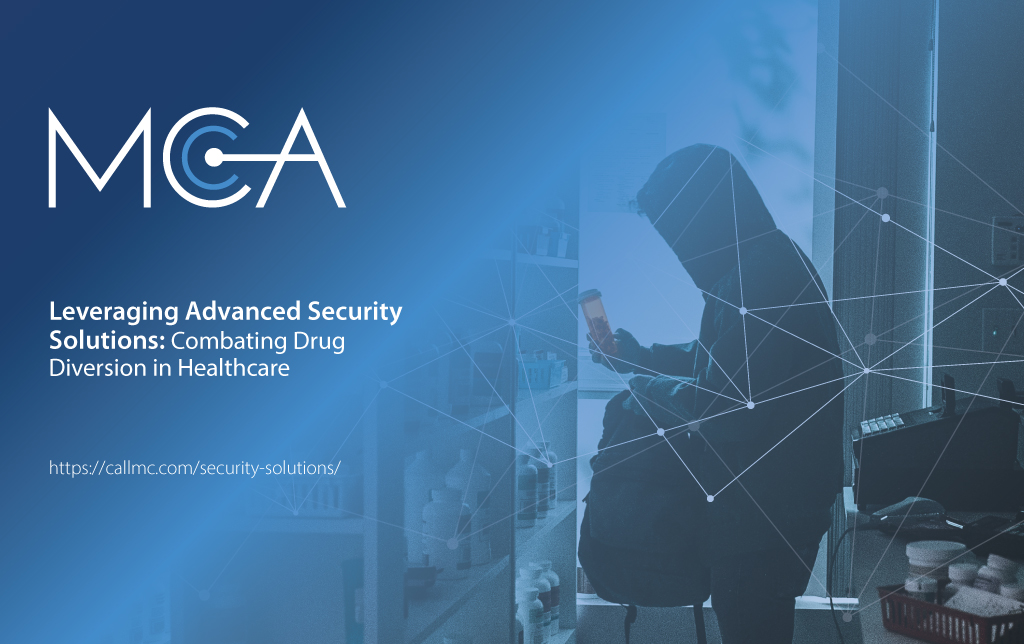
Leveraging Advanced Security Solutions
Drug diversion in healthcare – the misappropriation or misuse of controlled substances – remains a persistent and significant challenge, threatening patient safety, regulatory compliance, and organizational integrity. From opioids and stimulants to central nervous system depressants, diverted medications can lead to devastating outcomes for patients and healthcare providers alike. To effectively combat this issue, healthcare organizations must adopt a multifaceted approach, combining education, technology, and proactive security strategies to safeguard controlled substances and ensure high standards of care.
Understanding Drug Diversion in Healthcare
Drug diversion can occur at any stage in the supply chain, from manufacturing to patient distribution. This pervasive issue affects healthcare systems of all sizes and types, including hospitals, outpatient clinics, pharmacies, and private practices. The Centers for Disease Control and Prevention (CDC) estimates that more than 70% of opioid overdoses involve prescription or illicitly manufactured drugs, underscoring the critical need to combat diversion effectively.
Common diversion tactics include:
Prescription fraud: Using forged or stolen prescription pads or falsified patient data to obtain drugs.
Doctor shopping: Visiting multiple healthcare providers to acquire multiple prescriptions for the same medication.
Theft: Diversion by healthcare staff, including stealing medications intended for patients.
Illegal online pharmacies: Selling diverted drugs to unauthorized individuals or organizations.
These methods highlight the complexity of drug diversion and the necessity for comprehensive security measures tailored to healthcare environments.
The Impacts of Drug Diversion
Drug diversion has wide-reaching implications for patients, healthcare providers, and the broader community.
Impact on Patients
When drugs are diverted, the integrity of patient care is directly compromised. Patients may receive diluted or substituted medications, fail to access critical treatments or face delayed care. In severe cases, diversion can lead to patient harm or fatalities due to inadequate treatment.
Impact on Healthcare Providers
Healthcare providers face substantial risks when drug diversion occurs within their organizations:
Regulatory scrutiny: Diversion incidents often result in investigations by agencies such as the DEA, which can lead to hefty fines or penalties.
Reputational damage: Public trust in a healthcare facility can erode if drug diversion incidents become publicized.
Operational disruptions: Investigations, lawsuits, and internal reviews can divert resources from patient care.
Financial Costs
The financial toll of drug diversion is significant, encompassing litigation expenses, operational downtime, and the cost of implementing corrective measures. These economic losses can strain even the most robust healthcare systems.
Technology-Driven Solutions to Prevent Drug Diversion
Modern security technologies play a vital role in combating drug diversion. By integrating advanced tools such as video surveillance, access control systems, and artificial intelligence (AI), healthcare facilities can establish a comprehensive and proactive defense against diversion activities.
Video Surveillance and Management Systems
Video surveillance is a cornerstone of drug diversion prevention. High-resolution cameras and intelligent video management systems (VMS) provide robust monitoring of medication storage, distribution, and administration areas.
Key features of advanced VMS solutions like XProtect® by Milestone Systems include:
Real-time monitoring: Cameras strategically placed in storage rooms, pharmacies, and transportation zones allow for live oversight of sensitive areas.
Incident recording: High-quality video recordings aid investigations and provide crucial evidence in diversion cases.
AI-driven analytics: Intelligent software can detect anomalies such as unauthorized loitering, unusual handling of medications, or tampering.
Integrating video surveillance with access control systems enhances security by correlating footage with access logs, providing a complete picture of diversion activities.
Access Control Systems
Access control systems ensure only authorized personnel can access medication storage and distribution zones. These systems offer several advanced features:
Badge-based and biometric access: Using technologies like fingerprint scanners or facial recognition, healthcare facilities can tightly control access.
Role-based permissions: Access can be restricted by job title, department, or shift to minimize opportunities for diversion.
Detailed audit trails: Access logs provide a timestamped record of all entries, which can be cross-referenced with video footage.
By integrating access control with video surveillance, healthcare administrators can quickly identify and respond to unusual activities, preventing diversion before it escalates.
A Proactive Case Study: Integrating Advanced Technologies
A leading hospital system recently implemented an integrated security approach to combat drug diversion. The hospital created a multilayered defense mechanism by combining high-resolution video surveillance, AI-driven analytics, and robust access control systems.
Key Results
Identifying Unusual Patterns: Cross-referencing video data with access logs allowed administrators to detect irregular access times, such as late-night entries by unauthorized personnel.
Real-Time Monitoring: AI-powered video analytics flagged suspicious behavior, such as loitering in medication storage areas, enabling immediate intervention.
Improved Compliance: The system ensured adherence to safety protocols, reducing the risk of regulatory penalties.
This proactive approach significantly reduced drug diversion incidents, enhanced patient safety, and strengthened the hospital’s reputation for operational integrity.
Best Practices for Combating Drug Diversion
To mitigate the risks associated with drug diversion, healthcare organizations should adopt the following best practices:
- Install High-Resolution Cameras: Place cameras in all critical areas, including pharmacies, storage rooms, and transport corridors. Ensure footage is stored securely and accessible for investigations.
- Leverage AI-Driven Video Analytics: Use AI tools to detect unusual patterns, such as unauthorized handling, prolonged presence in restricted areas, or abnormal movements.
- Implement Role-Based Access Control: Restrict access to sensitive areas based on job responsibilities, and maintain detailed logs of all access events.
- Conduct Regular Audits: Review video footage and access logs periodically to identify inconsistencies or potential vulnerabilities.
- Educate Staff: Train employees on the risks and consequences of drug diversion. Establish clear protocols for reporting suspicious activities.
- Collaborate with Vendors and Law Enforcement: Work with solution providers like Milestone Systems to customize security platforms and maintain active partnerships with agencies like the DEA for compliance and reporting.
Collaborative Efforts in Preventing Drug Diversion
Addressing drug diversion requires collaboration among healthcare providers, security vendors, and law enforcement. Milestone Systems, a trusted partner of MCA, offers tailored platforms that integrate seamlessly with existing infrastructure. These solutions provide healthcare organizations with the tools they need to stay ahead of evolving threats.
Additionally, partnering with the DEA Office of Diversion Control ensures compliance with federal regulations, while active engagement with local law enforcement aids in addressing diversion incidents promptly.
Strengthening Healthcare Security
Drug diversion is not merely a regulatory issue—it is a direct threat to patient safety and the integrity of healthcare institutions. By leveraging advanced technologies, adopting proactive monitoring practices, and fostering collaboration, healthcare organizations can build a robust defense against this critical challenge.
Why MCA?
As a trusted partner in healthcare security, MCA specializes in designing and implementing comprehensive solutions tailored to the unique needs of healthcare facilities. From high-resolution video surveillance systems to advanced access control platforms, MCA ensures seamless integration and ongoing support to safeguard your organization.
By working with MCA and leveraging cutting-edge solutions from partners like Milestone Systems, healthcare providers can create secure environments that prioritize patient safety and operational excellence.
Drug diversion in healthcare is a multifaceted issue that demands a comprehensive response. By embracing advanced security technologies such as video surveillance, access control, and AI analytics, healthcare organizations can mitigate risks, ensure compliance, and protect patient care.
MCA stands ready to assist healthcare providers in combating drug diversion with customized solutions and expert support. Together, we can create safer healthcare environments and uphold the highest standards of care and integrity.
Contact MCA today to discover more about our customized security solutions and how we can assist your organization in effectively combating drug diversion.
About MCA
MCA is one of the largest and most trusted technology integrators in the United States, offering world-class voice, data, and security solutions that enhance the quality, safety, and productivity of customers, operations, and lives.
More than 65,000 customers trust MCA to provide carefully researched solutions for a safe, secure, and more efficient workplace. As your trusted advisor, we reduce the time and effort needed to research, install, and maintain the right solutions to make your workplace better.
Our team of certified professionals across the United States delivers a full suite of reliable technologies with a service-first approach. The MCA advantage is our extensive service portfolio to support the solution lifecycle from start to finish.
