

And Key Tips to Help You Select the Best One
Having a reliable Distributed Antenna System (DAS) in place is a key component to ensuring consistent connectivity across public safety and commercial communications networks within any facility. The role of a DAS integrator is pivotal in making this a reality, guiding every stage from initial design to deployment and maintenance.
Integrators, like the team at MCA, bring specialized knowledge and expertise to DAS projects. They provide end-to-end support across every stage of deployment, ensuring the system is tailored to meet the unique needs of each facility. From strategic planning to regulatory compliance, integrators streamline complex processes and ensure long-term system performance.
System Design and Engineering
DAS integrators conduct thorough assessments of a facility’s unique connectivity requirements. Their expertise in system design helps to create custom solutions that maximize coverage while minimizing interference. This involves selecting the right equipment, determining antenna placement, and planning cabling routes to enhance installation efficiency and performance.
Installation and System Integration
Once the system design is complete, integrators handle the physical installation of DAS components, coordinating with various contractors to ensure seamless integration. They work to align installation timelines with construction or renovation schedules to avoid delays.
Testing and Optimization
Integrators rigorously test DAS performance post-installation to ensure that it meets coverage, capacity, and interference specifications. Optimization efforts following initial testing help enhance system reliability by addressing any dead zones or weak signal areas within the facility.
Compliance and Documentation
Navigating the regulatory landscape is critical in DAS projects. Experienced integrators ensure that all systems meet applicable local, state, and federal requirements. They also provide documentation essential for future upgrades, regulatory inspections, and maintenance.
Maintenance and Support
Integrators offer preventive maintenance services to keep systems running at peak performance. In case of emergencies, they provide rapid support to minimize downtime, ensuring the DAS is operational and reliable when needed most.
Key Benefits of Choosing the Right DAS Integrator
The benefits of working with an experienced DAS integrator go beyond basic installation. From reducing costs to minimizing potential risks, the right integrator is essential in delivering a successful deployment.
Cost Reduction
Efficient Project Planning
A skilled DAS integrator conducts a thorough analysis of a facility’s needs from the outset. This enables accurate project planning, helping avoid costly changes or additions down the line.
Streamlined Procurement
Reputable integrators often have established relationships with equipment manufacturers, which allows them to negotiate favorable pricing and access to high-quality components. These cost-saving measures reduce overall procurement expenses.
Optimal Resource Allocation
With technical expertise and experience, reliable integrators manage resources effectively during installation, preventing unnecessary delays or rework. This approach ensures efficient resource utilization, keeping the project on time and within budget.
Risk Reduction
Technical Expertise
Experienced DAS integrators possess the technical knowledge needed to address and mitigate potential challenges. This expertise reduces the likelihood of performance issues or troubleshooting costs in the future.
Regulatory Compliance
The right integrator is well-versed in regulatory standards and requirements, from public safety codes to industry-specific guidelines. By ensuring compliance from the beginning, they help organizations avoid the high costs of retrofits or regulatory penalties later on.
Effective Project Management
Integrators coordinate timelines, manage stakeholders, and maintain clear communication throughout the project. A proactive project management approach reduces the risk of delays, budget overruns, and misunderstandings, ensuring a smoother implementation.
Thorough Testing and Validation
A reliable integrator will conduct comprehensive testing to confirm the DAS performs as expected. By identifying potential issues early, they reduce the risk of system failures and costly troubleshooting post-installation.
A Checklist to Aid in DAS Integration Partner Selection
To ensure you’re selecting the right DAS integration partner, use this checklist to evaluate potential integrators. Each point addresses an essential factor in achieving a successful installation that meets your facility’s wireless communication needs.
Technical, Regulatory, and Project Management Expertise
- Assess the integrator’s technical capabilities, including their experience in RF engineering, system design, installation, and optimization.
- Verify their understanding of regulatory requirements, particularly for public safety radio and commercial cellular networks.
- Ensure they have a proven track record of managing complex installations, coordinating with stakeholders, and staying within budget and timelines.
Extensive Experience with ERCES Installations
Confirm the integrator’s experience with Emergency Responder Communications Enhancement Systems (ERCES). Look for a partner with at least five years of relevant experience and knowledge of public safety communication needs.
Certifications and Licenses
Certifications indicate a commitment to professional development. Check if they hold relevant certifications, such as the NICET (National Institute for Certification in Engineering Technologies) or GROL (General Radiotelephone Operator License).
Proficiency in RF Design Software
Ask about the integrator’s proficiency in RF design software, such as iBwave, which is essential for accurate system design, signal propagation analysis, and predictive modeling.
Manufacturer Training and Certifications
Verify that the integrator holds certifications from equipment manufacturers, ensuring they are up to date on the latest technology and installation techniques.
Client References and Case Studies
Request client references and review case studies from similar projects. This can provide insights into their expertise, reliability, and performance on comparable installations.
Ongoing Support and Maintenance Services
Ask about post-installation support, including regular monitoring, performance optimization, and troubleshooting options. Ensuring ongoing maintenance can maximize the lifespan and efficiency of your DAS.
Additional Considerations for Optimal DAS Installation Success
Integrating the right DAS can significantly improve connectivity across your facility. Here are additional steps to maximize the performance and longevity of your DAS deployment:
Define Objectives and Requirements
Establish whether the primary focus of your DAS is public safety coverage, commercial cellular network improvement, or both. Specific objectives allow your integrator to tailor the solution to meet the unique needs of your facility.
Conduct a Comprehensive Site Survey
A site survey is essential for determining the building’s layout, structure, materials, and any signal obstructions. A thorough survey informs system design and helps pinpoint areas where additional signal support may be needed.
Design a Scalable and Future-Proof System
Collaborate with your integrator to create a system that can accommodate future expansions, frequency bands, and emerging technologies. By considering long-term needs, you can reduce costly upgrades down the road.
Ensure Compliance with Regulations
Work with your integrator to obtain necessary permits and comply with local building codes, fire regulations, and public safety standards. This proactive approach helps prevent future legal and operational complications.
Rigorous Testing and Optimization
After installation, rigorous testing ensures optimal signal strength, coverage, and quality. Testing tools and techniques help resolve any interference issues or gaps, setting your DAS up for successful operation.
A Strategic Decision for Reliable Connectivity
Selecting the right DAS integrator is a strategic decision that impacts the performance, compliance, and longevity of your wireless communication system. By choosing an experienced and reputable integrator, you can achieve significant cost savings, mitigate potential risks, and ensure that your facility’s communication needs are met.
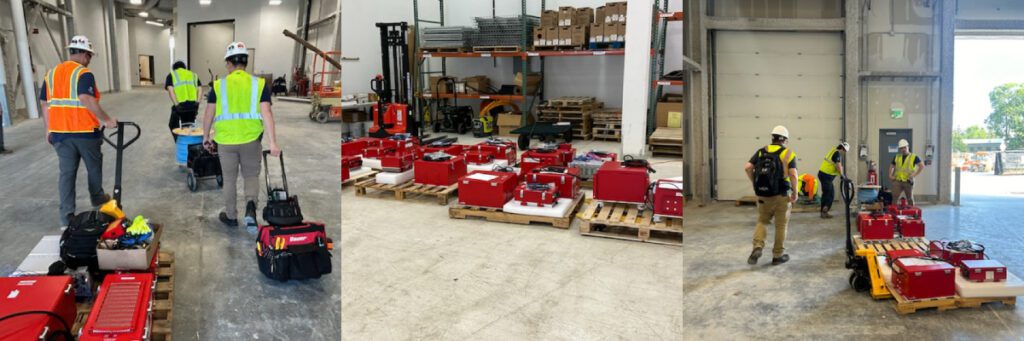
Integrators like MCA bring valuable expertise, project management skills, and ongoing support, ensuring that your DAS is tailored, optimized, and scalable for future needs. With the guidance provided in this checklist, you’re well-equipped to make an informed choice, paving the way for a successful DAS installation that ensures reliable connectivity for both public safety and commercial networks.
About MCA
MCA is one of the largest and most trusted DAS integrators in the United States, offering world-class voice, data, and security solutions that enhance the quality, safety, and productivity of customers, operations, and lives.
More than 65,000 customers trust MCA to provide carefully researched solutions for a safe, secure, and more efficient workplace. As your trusted advisor, we reduce the time and effort needed to research, install, and maintain the right solutions to make your workplace better.
Our team of certified professionals across the United States delivers a full suite of reliable technologies with a service-first approach. The MCA advantage is our extensive service portfolio to support the solution lifecycle from start to finish.
