

Avoiding Signal Disruptions
In mission-critical environments like healthcare facilities, reliable in-building wireless coverage is not a luxury – it’s a lifeline. From emergency responder communications to patient monitoring systems and staff coordination, a Distributed Antenna System (DAS) ensures that cellular and two-way radio signals are strong and consistent throughout a building.
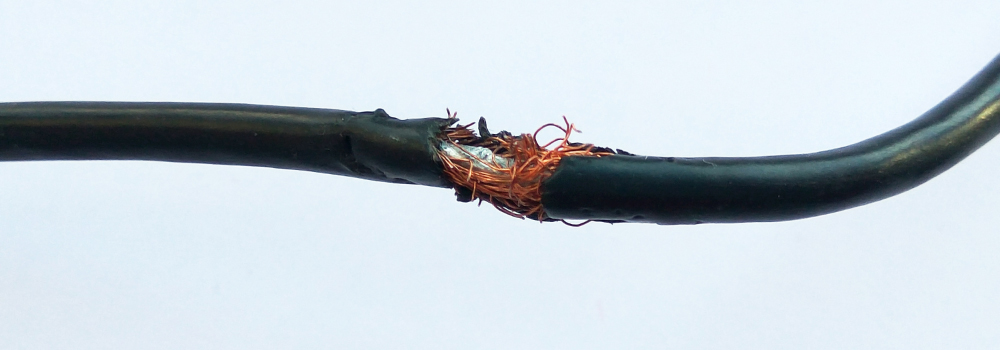
However, small mistakes in construction or maintenance can lead to significant DAS failures, affecting not just one antenna but the entire system. A recent example from a healthcare facility highlighted the severe impact of a kinked coaxial jumper cable, which resulted in a 98% reduction in signal strength. These types of issues can put public safety, hospital operations, and patient outcomes at risk.
To prevent such failures, it is essential to implement best practices in DAS maintenance and communication between contractors, facilities teams, and DAS vendors.
How Construction and Maintenance Affect DAS Performance
Healthcare facilities are constantly evolving, with renovations, expansions, and tenant improvements taking place frequently. These activities often involve construction crews, IT teams, and facility maintenance personnel who may accidentally disrupt DAS components.
Common issues include:
- Kinked Or Damaged Cables: DAS cabling has a specific bend radius, meaning it cannot be bent beyond a certain limit without degrading signal performance.
- Disconnected Jumpers Or Loose Connections: Even a slight misalignment in connectors can create significant signal loss across multiple antennas.
- Equipment Moved Without Notification: Adjustments to ceilings, walls, and electrical systems may unintentionally disturb or disconnect critical DAS infrastructure.
Without proper protocols, these errors can remain undetected until emergency responders, staff, or patients experience dropped connections or communication failures—often at critical moments.
Understanding Signal Loss: The 98% Drop from a Kinked Jumper
In the recent healthcare case, a single kinked coaxial jumper cable led to an 11 dB loss, which lowered the entire system’s signal strength by 98%. To put this in perspective:
- 1 dB of signal loss is a slight decrease, generally not noticeable.
- 3 dB of loss means the power level is cut in half.
- 10 dB of loss means only 10% of the original signal strength remains.
- 11 dB of loss (as seen in this case) means only 2% of the signal remains – essentially crippling the entire DAS.
This drastic reduction weakened public safety radio signals and affected hospital-wide communication, making it difficult for staff to coordinate and for emergency responders to communicate effectively in the building.
Best Practices to Prevent DAS Disruptions in Healthcare Facilities
Train Staff and Contractors on DAS Infrastructure
Facility managers, IT teams, and construction contractors must know DAS components, their locations, and their importance. Pre-project briefings should include:
- The role of DAS in emergency communications and hospital operations.
- Which components are critical and must not be moved or adjusted.
- Proper handling of coaxial cables, including bend radius guidelines.
Establish Clear Communication Protocols
Miscommunication is a leading cause of DAS disruptions. To prevent issues:
- Require contractors to notify facility management before making any adjustments that could affect DAS infrastructure.
- Set up a standard reporting process for any disconnections or suspected DAS issues.
- Ensure the fire department is notified immediately if public safety DAS components are affected, as this could create compliance and safety risks.
Follow Cable Bend Radius and Handling Guidelines
Coaxial cables in DAS must be maintained at a specified bend radius. Handling them improperly – twisting, overbending, or kinking – can permanently damage signal integrity.
- Standard bend radius guidelines should be posted near DAS equipment and reviewed with contractors.
- Cable pathways should be planned to avoid unnecessary bends or pressure on cables.
Conduct Routine DAS Inspections and Monitoring
Even with best practices in place, unintended disruptions can still occur. Proactive system monitoring can help catch issues before they become critical failures.
- Regular system performance tests should be conducted by facility management or DAS vendors.
- Remote DAS monitoring solutions can provide real-time alerts when signal degradation occurs.
- Annual inspections should be scheduled to verify the integrity of all cables, antennas, and connections.
Work with a Trusted DAS Vendor for Maintenance and Repairs
Healthcare facilities should have a dedicated DAS service provider to:
- Perform professional inspections after any major construction or maintenance project.
- Ensure compliance with NFPA 1221, IFC 510, and other local regulations for public safety DAS.
- Provide emergency support if an issue is detected.
By establishing a relationship with a reliable DAS provider, facilities can ensure fast response times and minimal downtime in the event of an issue.
Prioritizing DAS Protection in Healthcare Environments
Reliable in-building communication is not optional in a healthcare facility – it is essential for patient safety, emergency response, and daily operations.
A single construction oversight, such as a kinked cable, can compromise an entire DAS system. By training facility teams, enforcing clear communication protocols, and implementing proactive monitoring, healthcare organizations can avoid connectivity failures and maintain seamless operations.
At MCA, we specialize in designing, deploying, and maintaining industry-leading DAS solutions for healthcare facilities, ensuring compliance, safety, and uninterrupted communication.
If your facility needs DAS maintenance, performance testing, or upgrades, contact us today to learn how we can help you stay connected when it matters most.
About MCA
MCA is one of the largest and most trusted DAS integrators in the United States, offering world-class voice, data, and security solutions that enhance the quality, safety, and productivity of customers, operations, and lives.
More than 65,000 customers trust MCA to provide carefully researched solutions for a safe, secure, and more efficient workplace. As your trusted advisor, we reduce the time and effort needed to research, install, and maintain the right solutions to make your workplace better.
Our team of certified professionals across the United States delivers a full suite of reliable technologies with a service-first approach. The MCA advantage is our extensive service portfolio to support the solution lifecycle from start to finish.
