
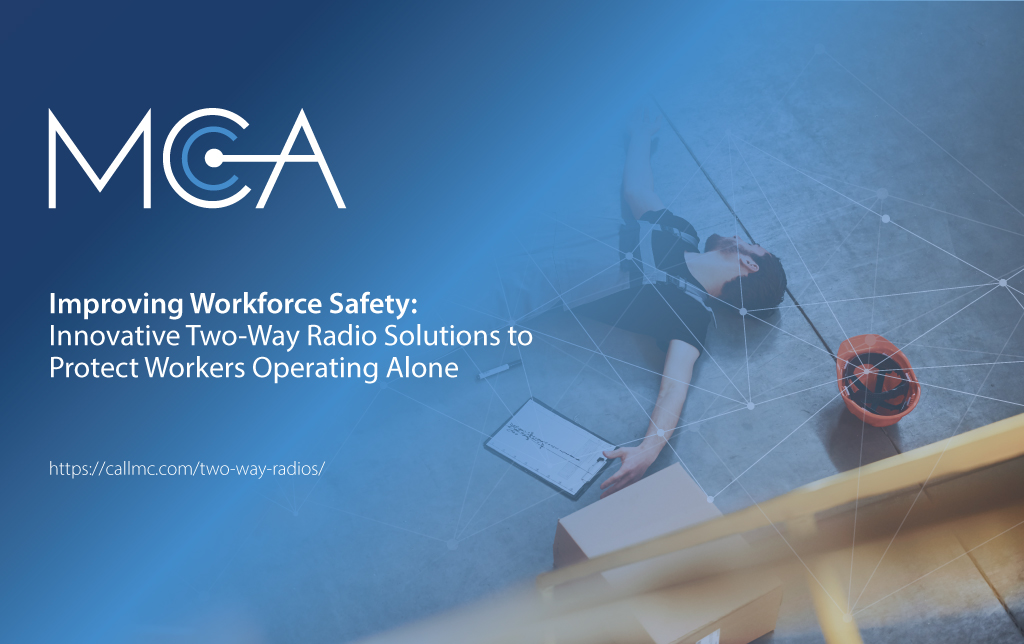
Innovative Approaches to Protecting Workers Operating Alone
In modern workplaces, safety is a cornerstone of operational success. While organizations often implement broad-based safety programs to protect their workforce, a unique group requires additional attention—lone workers. These individuals operate without direct supervision, often in isolated or remote environments, where risks such as accidents, health emergencies, or violence can escalate without prompt intervention. Protecting lone workers is a regulatory requirement and a moral imperative for employers.
The challenge lies in balancing protection with operational efficiency. How can organizations ensure these workers are both safe and productive? The answer lies in advanced technology. MCA, a leader in safety solutions, offers cutting-edge tools like the WAVE PTX Platform with its SafeGuard feature, hermesTRX Man Down software, and Teldio Centralized Lone Worker (CLW) system to help businesses achieve this balance effectively.
Understanding Lone Worker Risks
Lone workers operate in environments that need more immediate support. This could mean working late shifts at a retail store, repairing power lines in remote areas, or visiting patients at home as a healthcare provider. While these roles are diverse, they share a common thread: increased exposure to hazards.
Lone workers face risks that are amplified by their isolation. With colleagues or supervisors nearby, accidents or emergencies may be noticed for extended periods, delaying potentially life-saving responses. These workers may also face hostile or aggressive interactions with customers or members of the public, particularly in retail or service settings. Limited communication tools exacerbate these challenges, as lone workers may need help to call for help in areas with poor signal coverage or inadequate communication infrastructure.
The National Safety Council estimates that 15% of today’s workforce comprises lone workers. This surge reflects evolving workplace trends, including greater reliance on remote and field-based roles. With this increase, ensuring safety for these individuals has never been more critical.
Steps to Developing a Lone Worker Risk Program
Creating a successful lone worker risk program requires thoughtful planning and execution. Below are three comprehensive steps to guide your organization:
Step 1: Identify Lone Workers
Identifying lone workers is not always straightforward because not all employees who qualify as lone workers operate entirely alone. A technician conducting maintenance in a separate building or a delivery driver on an isolated route may appear connected to a broader team but qualify as lone workers during parts of their workday. These nuanced situations highlight the importance of understanding the varying degrees of isolation that employees may face.
Industries, where lone workers are common, include healthcare, where home health aides, social workers, and hospice nurses frequently operate independently; utilities, where field technicians repair infrastructure in remote areas; retail, where a single worker often staffs late-night shifts at convenience stores; and transportation, where long-haul truck drivers and delivery personnel spend hours or days alone on the road. Accurately identifying these workers ensures that no one falls through the cracks in your safety protocols.
Step 2: Assess Lone Worker Risk
Once lone workers are identified, the next step is to evaluate their risks. This involves a detailed analysis of their work environment, tasks, and potential hazards. Key questions can guide this assessment. For example, organizations should examine the nature of the work being performed. Is it inherently hazardous, such as handling heavy equipment, working with volatile substances, or interacting with potentially dangerous individuals? Additionally, the location of the work must be considered. Workers operating in high-crime areas or regions with extreme weather conditions face distinct challenges.
Organizations should also evaluate the timing of the work. Are workers carrying out tasks during hours when help or supervision is less accessible? Finally, communication tools must be assessed. Are there reliable systems for workers to contact supervisors or emergency services? These considerations are crucial for understanding and addressing lone workers’ specific risks. For example, a utility worker repairing power lines in a remote area might contend with environmental risks, delayed access to medical aid, and communication barriers, all of which require tailored solutions.
Step 3: Control Lone Worker Risk
After identifying and assessing risks, organizations must take concrete steps to control them. These measures often involve a combination of employee involvement, training, monitoring, and technology. Training programs play a vital role by equipping workers with the knowledge and tools to identify hazards and respond to emergencies effectively. Regular monitoring is also critical, as it allows organizations to monitor worker well-being through tools like location tracking and automated alerts.
Providing safety technology is another essential step. Workers must have access to tools such as radios with emergency buttons, man-down alerts, and GPS tracking to enhance their safety in isolated environments. Additionally, organizations should establish a culture of safety and care by involving employees in discussions about potential hazards and how to address them. By taking these steps, businesses can mitigate risks and create a safer, more supportive environment for lone workers.
Technology Solutions for Lone Worker Safety
Advanced technologies are transforming how organizations protect lone workers. Below are key solutions offered by MCA:
hermesTRX Man Down Software
The hermesTRX Man Down software integrates seamlessly with MOTOTRBO radios to provide robust monitoring and emergency response capabilities. It features automatic alerts that activate when a worker remains motionless, immediately notifying supervisors or emergency responders. Additionally, the software includes a hot mic function, which enables continuous voice transmission during critical situations, ensuring that workers can communicate their needs even when incapacitated.
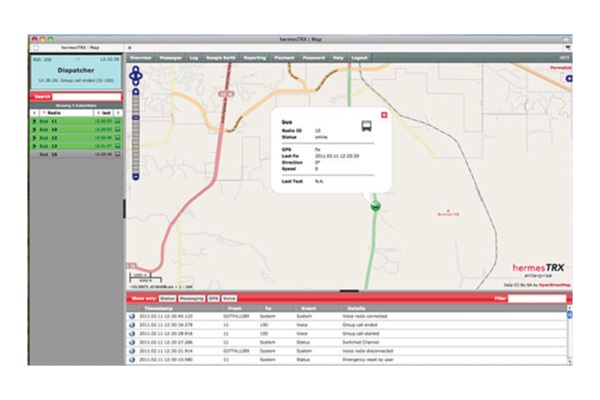
Another advantage of hermesTRX is its integration with fleet management systems. Organizations can streamline operations by centralizing data and monitoring efforts while ensuring worker safety. This technology particularly benefits mining, oil and gas, and utilities, where environmental hazards and remote locations pose significant risks. HermesTRX minimizes response times and enhances overall situational awareness by enabling automatic alerts and live voice communication.
Teldio Centralized Lone Worker
Teldio’s CLW system is designed to offer comprehensive safety measures through its automated check-in and alert features. The system sends periodic ‘Alive Check’ messages to workers, prompting them to confirm their safety. If a worker fails to respond within the allotted time, the system automatically triggers an emergency alarm, ensuring immediate action.
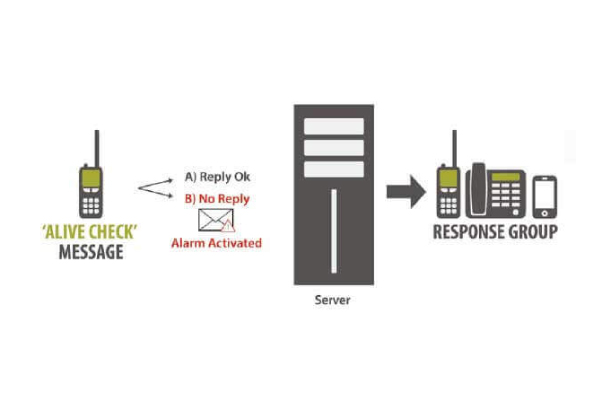
CLW also integrates with RTLS to enhance location-based safety. This integration allows organizations to create predefined safe zones and hazardous areas, activating alarms when workers enter dangerous locations. The system’s customization options further enhance its utility, allowing organizations to define intervals for check-ins, assign response groups, and configure alarms based on worker schedules and locations. These features make CLW an invaluable tool for industries such as healthcare and utilities, where workers often operate in unpredictable environments.
Motorola Lone Worker Feature
The Motorola Lone Worker feature simplifies safety protocols by providing automated check-ins and alerts for workers using Motorola radios. Workers activate the feature at the start of their shift, and the radio initiates periodic check-ins. If the worker does not respond within the set timeframe, the radio triggers an alert, immediately notifying supervisors or emergency responders.
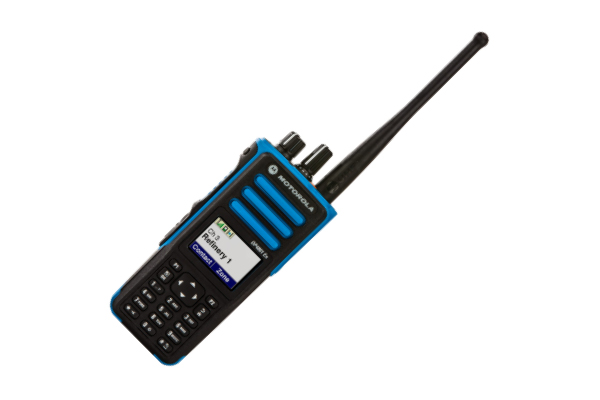
GPS tracking further enhances this feature, allowing organizations to monitor worker locations in real-time. By pairing Lone Worker with other features like Man Down and GPS tracking, organizations can significantly improve response times and ensure that help reaches workers when needed. Supported models, including the Motorola R2 and XPR 7000e series, ensure broad usability across various industries.
WAVE PTX Platform with SafeGuard
The WAVE PTX Platform elevates lone worker safety with its SafeGuard feature, which provides real-time worker-down alerting. SafeGuard works seamlessly with TLK series radios to ensure immediate responses during emergencies. For example, if a healthcare worker using a TLK 100 radio falls or becomes unresponsive during a home visit, the SafeGuard feature automatically alerts supervisors or emergency responders, enabling them to act quickly.
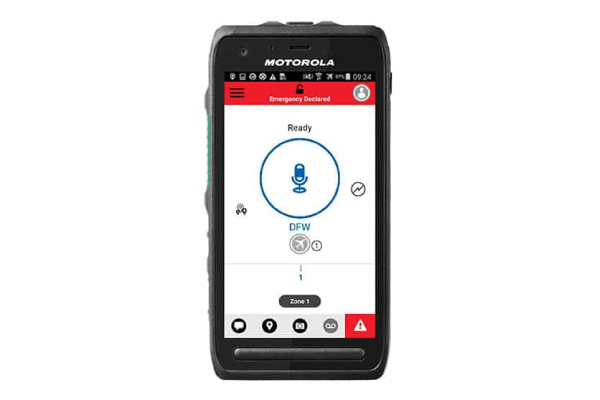
The platform’s cross-device communication capabilities further enhance its utility. Workers can communicate through radios, smartphones, and computers, ensuring uninterrupted connectivity across devices. Integrating existing emergency protocols, the WAVE PTX Platform helps organizations create a cohesive and effective safety strategy for their lone workers.
How MCA Supports Lone Worker Safety
MCA’s commitment to worker safety goes beyond providing tools—it delivers comprehensive, customized solutions. The company specializes in integrating diverse technologies into cohesive safety ecosystems, ensuring that every aspect of lone worker protection is addressed. MCA’s decades of experience enable it to design solutions tailored to the unique needs of specific industries, from healthcare and utilities to mining and transportation.
By leveraging MCA’s solutions, businesses can enhance safety, instill confidence in their workforce, and foster a culture of care and support.
About MCA
MCA is one of the largest and most trusted technology integrators in the United States, offering world-class voice, data, and security solutions that enhance the quality, safety, and productivity of customers, operations, and lives.
More than 65,000 customers trust MCA to provide carefully researched solutions for a safe, secure, and more efficient workplace. As your trusted advisor, we reduce the time and effort needed to research, install, and maintain the right solutions to make your workplace better.
Our team of certified professionals across the United States delivers a full suite of reliable technologies with a service-first approach. The MCA advantage is our extensive service portfolio to support the solution lifecycle from start to finish.
