
Home » Data Solutions » In-Building Wireless » Emergency Responder Communications Enhancement Systems (ERCES)

Reliable in-building radio coverage is a critical life-safety requirement for public safety. Emergency Responder Communication Enhancement Systems (ERCES) ensure seamless two-way radio communication for firefighters, EMS, and law enforcement during emergencies, even in hard-to-reach areas like stairwells, basements, and reinforced structures. Mandated by the NFPA, ICC, and local AHJs, ERCES compliance is required in new constructions, major renovations, and, increasingly, existing buildings.
MCA In-Building Wireless Solutions (IWS) team specializes in turnkey ERCES solutions tailored to your building’s structure and local codes. We provide RF surveying, iBwave-based system design, multi-OEM equipment sourcing, professional installation, and remote monitoring via SecurePlan Wireless. From hospitals to schools and mixed-use developments, MCA ensures your ERCES system is fully compliant, easy to maintain, and ready to support life-saving operations when seconds matter.
Deploying a code-compliant ERCES solution is more than just hardware installation—it’s a lifecycle-driven process. It begins with interpreting NFPA, IFC, and local code requirements, ensuring every step aligns with regulations. MCA provides end-to-end services, including site-specific RF surveys, precision iBwave system designs, and engineered solutions using industry-leading OEM platforms. Our expert teams manage installation, commissioning, and AHJ coordination, delivering results with full accountability. To ensure long-term reliability, we also offer ongoing remote monitoring, fault alerts, and code-driven inspection support, keeping the system performing optimally throughout its lifecycle.


Emergency Responder Communication Enhancement Systems (ERCES) operate within a complex framework of national standards and local regulations. The National Fire Protection Association (NFPA) and International Code Council (ICC) set guidelines for coverage thresholds, signal strength, backup power, pathway survivability, and inspections. At MCA, we ensure every ERCES system complies fully with these standards. With a deep understanding of evolving codes, we collaborate with fire marshals, inspectors, and construction managers to deliver seamless, compliant ERCES solutions from design to implementation.
The NFPA sets critical standards for Emergency Responder Communication Enhancement Systems (ERCES). MCA designs and implements ERCES solutions that meet the latest NFPA codes, ensuring safety, reliability, and compliance across industries
Scroll to Learn More >>
This primary ERCES standard consolidates NFPA 1221 and 1061 requirements, outlining in-building radio signal strength thresholds like DAQ 3.0 and 95% or 99% coverage based on area type. It also covers communication pathway survivability, 24-hour backup power, and annual testing and inspection protocols.
NFPA 72 outlines the standards for installing, operating, testing, and maintaining fire alarm and emergency communication systems. Its guidelines may impact the deployment of ERCES, particularly in scenarios requiring integrated notification systems, annunciation panels, or coordination with fire alarm control units as specified by the AHJ.
This standard impacts how ERCES components are installed relative to emergency egress paths, fire-rated enclosures, and required emergency signage, prioritizing the safety of building occupants during emergencies.
The NEC establishes wiring and grounding requirements critical for ERCES installations. These include standards for headend power connections, amplifier wiring, and rooftop donor antennas to ensure safe and effective system operation.
In healthcare environments like hospitals or medical campuses, NFPA 99 provides additional guidelines for isolating ERCES communication systems from critical care areas, ensuring that essential medical operations remain unaffected.
The International Code Council (ICC) develops model codes like the International Fire Code (IFC), forming the basis of most local building and fire regulations to ensure safety and compliance. While in the USA, NFPA codes take precedence, these codes are still relevant.
Scroll to Learn More >>
This section requires ERCES installation in buildings where public safety radio signal strength falls below minimum levels. It details how to measure signal strength, perform annual testing, place donor antennas, and install in-building signage. Many jurisdictions adopt IFC 510 directly or modify it to suit local needs.
The IBC influences the installation and accessibility of ERCES equipment, particularly regarding fire-resistance ratings and structural integration to maintain safety and compliance during emergencies.
The IMC impacts HVAC and ventilation requirements for enclosed radio rooms and cabinet-mounted systems, ensuring proper environmental controls for reliable system operation.
The IPC occasionally applies when routing conduit or determining penetration methods around fire-rated shafts or walls, ensuring compliance with plumbing and fire safety standards.
National codes like NFPA 1225 and IFC Section 510 set ERCES standards, but local AHJs can enforce additional criteria. MCA designs ERCES solutions that meet both national and local requirements, ensuring full compliance and easy approval.
Scroll to Learn More >>
Local AHJs often mandate extra measures, such as detailed system documentation, specialized signage, specific battery backup configurations, or third-party commissioning. MCA expertly navigates these unique requirements, simplifying the design, submittal, and approval process to minimize delays.
More jurisdictions are adopting the stricter DAQ 3.4 standard for occupancy approvals, requiring 3–4 times more signal power, higher antenna density, and precise uplink/downlink balancing. MCA designs systems to meet these elevated demands.
Local AHJs are the ultimate decision-makers when it comes to granting Certificates of Occupancy (CO). Without a timely CO, businesses and construction companies face costly delays, losing valuable time and money. MCA’s expertise in meeting AHJ requirements ensures your project stays on track, allowing you to avoid disruptions and move forward with confidence.
MCA actively works with fire marshals, building inspectors, and plan reviewers at every stage of a project—from initial submittals to final walkthroughs. By prioritizing clear communication and alignment with AHJs, we ensure predictable timelines and a smooth path to system acceptance.
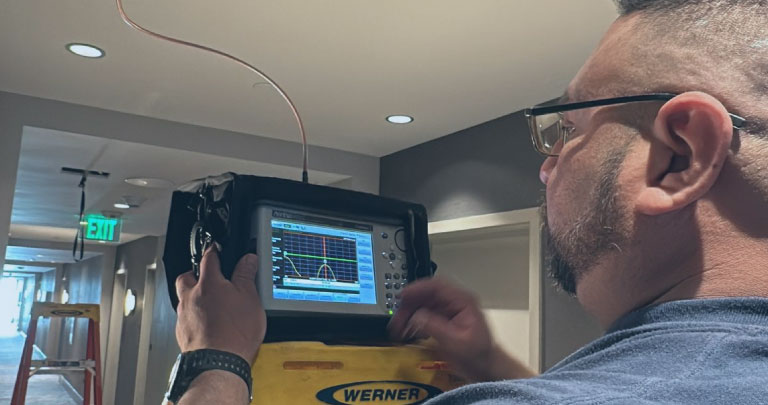
A successful ERCES deployment begins long before the first piece of hardware is installed. At MCA, our planning phase is designed to thoroughly understand your facility, evaluate RF performance, and craft detailed system designs that align with jurisdictional codes and operational needs. By leveraging discovery, benchmarking, modeling, and financial expertise, we ensure your project is built on a foundation of precision, compliance, and cost-effectiveness.
Every ERCES project starts with an in-depth discovery session. MCA’s team collaborates with key stakeholders to collect critical data, including building dimensions, layout, construction materials, and existing communication infrastructure. This process not only identifies code-driven requirements but also addresses organizational priorities, such as future system scalability, desired coverage areas, and response workflows. These insights drive the system design, ensuring it meets both operational objectives and compliance standards.
Using cutting-edge PCTel scanning tools, MCA performs extensive on-site RF benchmarking to capture real-time data on signal strength, noise levels, and coverage gaps for both public safety and commercial frequencies. This step determines whether an ERCES or DAS solution is needed, identifies dead zones, and provides essential data for system modeling. The benchmarking phase also determines the necessity of Class A or Class B architectures to meet DAQ requirements and achieve optimal signal balance.
Armed with real-world RF data and code specifications, MCA engineers utilize iBwave software to design tailored systems. This powerful tool generates detailed heatmaps, pathway diagrams, and precise equipment placement plans, customized to your building's structure and AHJ requirements. From donor antennas and BDAs to fiber and coax routing, every component is thoughtfully mapped in CAD-quality designs. These plans streamline the approval process with AHJs and ensure seamless commissioning.
To provide a clear financial roadmap, MCA pairs system designs with itemized Bill of Materials (BOM) estimates, coverage simulations, and labor breakdowns. Our budgeting process accounts for factors like conduit access, ceiling types, backup power systems, and survivability components, creating accurate CAPEX estimates. For qualified projects, we also offer phased rollouts and pre-approved scopes to prevent budget overruns and minimize redesigns.
Recognizing the high capital demands of in-building wireless systems, MCA offers flexible financing options to support your ERCES deployment. Whether you prefer traditional CAPEX budgeting or an OPEX model with predictable monthly payments, we provide financing plans that fit your needs. Additionally, we collaborate with wireless carriers to explore cost-sharing opportunities for dual-use systems, making compliance and coverage attainable without sacrificing quality or support.
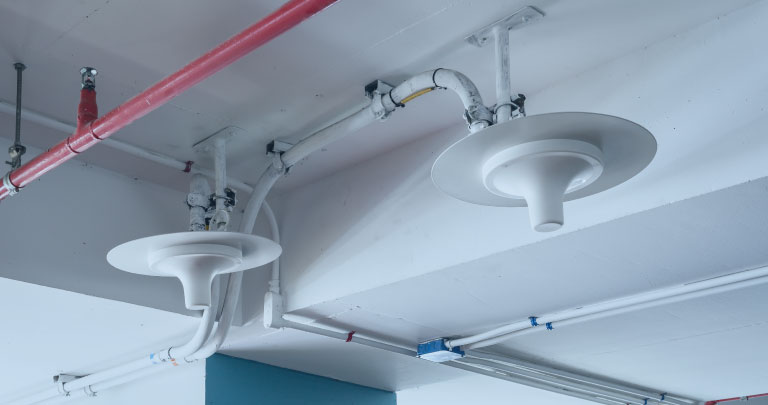
An Emergency Responder Communication Enhancement System (ERCES) comprises several essential subsystems designed to ensure first responders can communicate effectively inside buildings during emergencies. Each component plays a critical role in capturing, amplifying, distributing, and maintaining public safety radio signals throughout the structure. MCA specializes in designing, installing, and supporting these systems using high-performance hardware, compliant pathways, and configurations aligned with AHJ requirements.
The Bi-Directional Amplifier, or BDA, is the core of the ERCES. It amplifies both incoming and outgoing public safety radio signals to ensure consistent coverage throughout the building. Enclosed in NEMA 4-rated casings, BDAs must meet strict gain, filtering, and performance standards while supporting both analog and digital signals. MCA’s engineers meticulously configure BDAs to meet approved frequency ranges, class requirements (A or B), and the specific needs of each site as mandated by the AHJ.
The Distributed Antenna System (DAS) delivers amplified signals from the BDA to all areas of the building. Interior antennas are strategically installed in critical locations such as stairwells, elevators, basements, and fire command centers. These are linked through a network of coaxial or fiber optic cabling, splitters, and couplers. MCA leverages iBwave-generated heatmaps to optimize the placement of antennas and ensure that DAQ (Delivered Audio Quality) thresholds are consistently achieved, even in challenging coverage zones.
The donor antenna is a roof-mounted, directional component that connects the in-building ERCES to the nearest public safety radio tower. It captures downlink signals for delivery into the building and transmits uplink signals back to the network. The antenna is selected based on the proximity of the RF donor site and the specific frequency band required. Secure placement, line-of-sight alignment, and stable mounting are essential to ensure reliable performance and durability.
Coaxial and fiber optic cabling forms the backbone of the ERCES by connecting the BDAs, donor antennas, and DAS components. These cables must meet NFPA survivability standards, often requiring 2-hour fire-rated pathways or protected raceways to maintain functionality in emergencies. Supporting hardware such as splitters, attenuators, grounding bars, and liquid-tight conduits is used to enhance performance and reliability. MCA designs cable pathways to minimize interference, meet survivability ratings (Level 1–3), and allow for future system expansion.
BDAs and other headend electronics are housed in NEMA 4-rated enclosures with lockable, weather-sealed access points to protect them from water, dust, and physical damage. Grounding systems, including GNB bars, coaxial grounding kits, and UFER bonding, are integrated to safely dissipate static discharge and lightning-induced surges. These measures safeguard both the system and the building’s occupants.
ERCES systems require dedicated backup power to maintain operation during electrical outages. Backup power solutions typically include battery systems designed to provide 12 to 24 hours of runtime, depending on local code requirements. Supporting components such as battery disconnect switches, alarm relays, and circuit breakers ensure safe operation and compliance. MCA offers fully compliant UL-listed UPS or DC power solutions tailored to the specific site needs.
A dedicated alarm panel monitors system performance, providing real-time alerts for faults, low battery levels, and donor site connectivity issues. Visual alarm panels or integration with the building’s fire alarm system allow for 24/7 monitoring to ensure system health. Emergency Power Off (EPO) switches, installed at designated control points, give first responders the ability to quickly disable the system in cases of fire or building damage.

MCA collaborates with leading OEMs to deliver Emergency Responder Communication Enhancement Systems (ERCES) that are fully compliant, highly reliable, and designed for critical life safety applications. Our portfolio includes modular BDAs, digital signal processors, and all-in-one ERCES platforms - each technology meticulously vetted and aligned with code requirements to ensure exceptional performance in high-stakes environments. Below are some of the key manufacturer solutions MCA utilizes within ERCES deployments across healthcare, education, commercial, and government facilities.
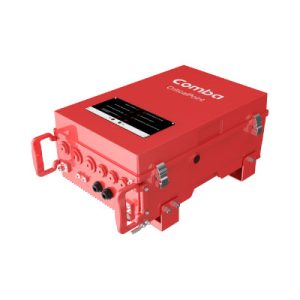
The Comba CriticalPoint™ platform offers UL2524-certified Class A and Class B bi-directional amplifiers (BDAs) tailored for public safety communication. These compact, NFPA 1225-compliant BDAs feature fiber compatibility and NEMA 4 enclosures. The CriticalPoint line is engineered for reliability, boasting integrated alarming, battery backup support, and an intuitive web-based configuration system. Widely adopted across North America, it remains one of the most trusted ERCES solutions.
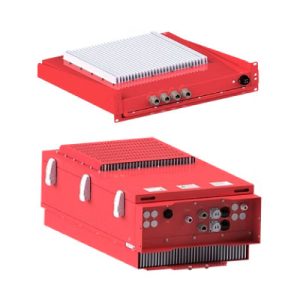
The Avari VL Series is a compact and versatile Class A/B BDA solution, ideal for complex structures such as hospitals, high-rises, and campuses. With UL 2524 certification and modular architecture, the VL Series simplifies installation, reduces commissioning time, and enhances long-term maintainability. Designed with survivability and DAQ compliance at its core, it’s a trusted choice for environments demanding robust and reliable communication systems.
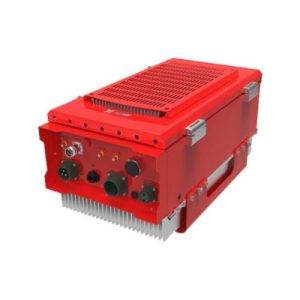
ADRF’s FiRe™ portfolio offers public safety DAS solutions engineered for life safety applications. These NEMA 4-rated Class A and B BDAs provide integrated battery backup, web-based configuration, and reliable uplink and downlink performance throughout large buildings. Known for quick installations and scalable components, ADRF’s FiRe™ solutions ensure compliance with first responder-ready standards while delivering exceptional coverage and reliability.
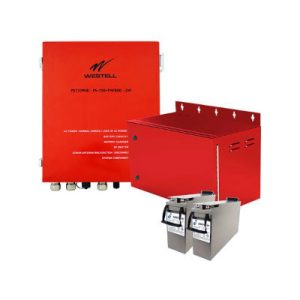
Westell’s ProtectLink™ suite includes BDAs, fiber DAS components, and public safety repeaters specifically designed for buildings with varying sizes and structural complexities. Featuring NEMA 4 enclosures, intuitive commissioning tools, and seamless integration with third-party monitoring systems, ProtectLink products prioritize rapid deployment and clear compliance with NFPA 1225 and IFC Section 510.
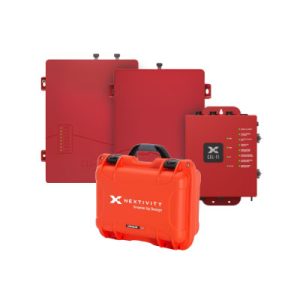
Nextivity’s SHIELD EXTEND (formerly Cel-Fi QUATRA RED) is a smart, code-compliant ERCES platform perfect for commercial and mixed-use buildings. It features advanced digital signal processing, remote monitoring via the WAVE portal, and adaptive antenna optimization. With UL 2524 certification and a simplified cabling infrastructure, SHIELD EXTEND delivers efficient, scalable coverage across LMR and FirstNet bands, making it a top choice for rapid, effective deployment.
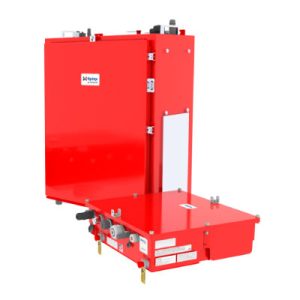
The Fiplex FLEX Series offers a modular, compact approach to public safety signal enhancement. These digital Class A BDAs are equipped with advanced signal filtering, networked system architecture, and optional fiber-fed expansion capabilities. Designed to meet NFPA and IFC compliance standards, FLEX systems are optimized for indoor installations requiring high survivability and minimal maintenance. With Honeywell’s acquisition of Fiplex, this line continues to evolve, enhancing capabilities and maintaining strong code alignment.
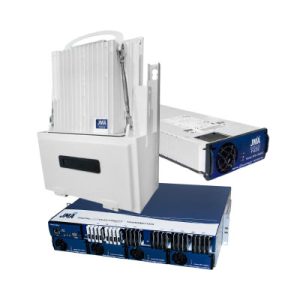
The JMA Wireless FUZE™ platform streamlines ERCES deployments by combining power, fiber, mounting infrastructure, and Digital Electricity™ distribution into a compact, modular chassis. Designed for fast installation and reduced costs, FUZE delivers up to 5,400W across 24 channels and supports AC, DC, and Digital Electricity™. With IP66 enclosures, SNMP monitoring, and scalable configuration, FUZE is ideal for powering TEKO™ remotes and public safety DAS systems in dense or difficult environments.

Delivering a code-compliant ERCES system requires more than just equipment—it demands a well-planned project for seamless integration, efficient communication, and regulatory compliance. Once the contract is signed, MCA’s In-Building Wireless Solutions team manages every step, from contractor coordination and FCC licensing to signal testing and AHJ approval. With 100+ solution centers and a multi-state field force, MCA is the trusted partner for builders, developers, and public agencies, delivering on time, on budget, and fully up to code.
MCA serves as the single point of contact for all aspects of ERCES deployment, managing the entire process with precision. We coordinate directly with OEMs, integrators, electrical contractors, general contractors, and third-party inspectors, ensuring timelines are met and quality standards upheld. Our project managers oversee every detail, including deliveries, installation sequencing, and alignment with construction milestones. We ensure that every vendor adheres to code-compliant practices and follows installation guidelines specific to the products being deployed.
Before equipment arrives, MCA collaborates with building engineers and construction teams to prepare the site for radio infrastructure. This process involves validating electrical service, riser and conduit availability, proper grounding points, and structural supports for donor antennas, BDAs, and enclosures. Power systems are verified for compliance with local backup requirements (typically 12 to 24 hours of backup power), and installation paths are carefully planned to avoid interference with other building systems.
MCA streamlines ERCES system deployment with meticulous pre-installation staging. Each component is pre-tested, configured, and bundled for swift, hassle-free deployment. By simulating functionality and verifying compatibility between headend and remote elements, we ensure seamless performance from the start. Equipment is organized by installation location, simplifying logistics for even the most complex and distributed setups. This proactive approach minimizes on-site troubleshooting, accelerates installation timelines, and ensures an efficient deployment process.
ERCES systems amplify and retransmit public safety radio signals, requiring strict compliance with Federal Communications Commission (FCC) regulations. MCA handles the entire licensing process, including spectrum coordination with carriers and local jurisdictions. This process often involves obtaining a General Radiotelephone Operator License (GROL) for UHF or 700/800 MHz frequencies and ensuring all systems are registered and authorized prior to activation. MCA’s compliance team ensures all FCC and NTIA regulations are met, minimizing the risk of legal or operational delays.
MCA’s OEM and NICET-certified IWS installers handle the entire installation process for new construction and retrofits. From antenna cable pulls and riser work to mounting BDAs, donor antennas, and enclosures, every component meets OEM specifications and jurisdictional codes. The team collaborates with contractors and electrical crews to avoid trade conflicts, ensuring all penetrations, conduit paths, and device placements comply with NFPA 1225 and IFC Section 510. Clean labeling, detailed site photos, and redlined drawings ensure a well-documented installation, ready for testing and turnover.
Once installation is complete, MCA technicians perform thorough system integration, calibration, and testing. This includes uplink/downlink balancing, coaxial cable sweep testing, passive intermodulation (PIM) testing, and confirming that the DAS meets design output across all required bands. Isolation from cellular systems is verified, headend signal levels are checked, and seamless handoff across all indoor antennas is ensured, guaranteeing full-building coverage.
Following commissioning, MCA conducts Delivered Audio Quality (DAQ) testing in accordance with project requirements, typically adhering to DAQ 3.0 or DAQ 3.4 standards. Signal strength readings are taken throughout floors, stairwells, and fire command centers, with all findings compiled into a comprehensive closeout package. MCA then coordinates and supports the final AHJ inspection, guiding fire marshals or code officials through the system and addressing any on-site needs to secure occupancy approval.
MCA provides tailored post-installation services to meet specific client needs. Standard support includes customizable Service Level Agreements (SLAs) outlining response times, repair expectations, and equipment availability. For proactive, fully managed solutions, SecurePlan Wireless offers system monitoring, maintenance, firmware updates, annual re-certifications, and emergency response. Through regular inspections and remote troubleshooting, SecurePlan Wireless ensures ERCES systems remain compliant, optimized, and reliable year after year.
At MCA, code compliance starts with skilled professionals. We hold ourselves to the highest standards in public safety DAS design, installation, and ongoing support. This is backed by a team of licensed, credentialed, and factory-trained experts. Our commitment to certification ensures that every system we deploy is safe, reliable, and fully compliant with both national and local regulations.

MCA is a UL-listed integrator in multiple regions, confirming that our DAS installations meet rigorous safety and performance standards. UL certification provides assurance that our ERCES deployments meet high-quality benchmarks and are trusted by AHJs nationwide.

Our field technicians are FCC General Radiotelephone Operator License (GROL) certified, showcasing their technical expertise and compliance with regulations for working with licensed RF equipment. This ensures lawful operation and a safe, standards-based approach for all components within the ERCES system.
MCA’s project managers are certified in NICET In-Building Public Safety Communications. This reflects their expertise with NFPA 1225 and IFC Section 510 requirements. Their knowledge guarantees that every system meets code-mandated performance standards and passes AHJ inspections on the first attempt.
Our system engineers are iBwave Level III certified. They use advanced design techniques to create optimized heatmaps, coverage plans, and detailed bill-of-materials documentation. This expertise minimizes change orders, speeds up approvals, and ensures efficient installations.

MCA’s installation teams are trained and certified by leading OEMs in the ERCES industry. Their familiarity with vendor-specific installation practices and diagnostic tools ensures optimal performance, protects equipment warranties, and supports long-term reliability across all environments.

SecurePlan Wireless by MCA ensures ERCES and in-building radio systems stay functional and inspection-ready with remote monitoring, real-time diagnostics, firmware updates, and alarm notifications. Certified technicians handle annual testing, battery checks, and keep detailed system documentation records to streamline AHJ re-certification, minimizing downtime and fines.

ERCES projects involve many stakeholders, including fire marshals, building owners, contractors, integrators, and carrier authorities. MCA simplifies coordination with a clear roadmap, aligning code requirements, technical needs, and build schedules. Through proactive communication and structured project management, we ensure smooth collaboration and on-time, code-compliant system delivery.

Planning an ERCES deployment requires more than just square footage. MCA considers factors like RF signal loss through materials, local RF noise, floor count, antenna path viability, and permitting requirements. Our estimates also include Class A vs. Class B design, redundancy options, and scalability to ensure performance, compliance, and cost expectations are met from the start.
MCA brings unparalleled expertise to every ERCES deployment, combining extensive code knowledge, certified iBwave designs, trusted OEM partnerships, and a highly skilled installation team operating across multiple states. As an active member of the Safer Buildings Coalition, we play a key role in shaping the policies, technologies, and design standards that ensure reliable in-building communications for public safety professionals and the communities they serve. Driven by our “Service-First DNA,” MCA provides end-to-end support throughout your system’s entire lifecycle—from the initial survey and system signoff to remote monitoring and annual re-certification.


Security threats are evolving. Is your facility’s protection evolving with them?
From AI-powered surveillance and access control to concealed weapon detection and cloud-based video backup, today’s security landscape demands more than just cameras and locks—it requires integration, automation, and insight.
This quick 20-Point Security Audit helps you evaluate your current systems, uncover hidden vulnerabilities, and identify opportunities for improvement.
Fill out the form below to download the checklist and discover how MCA’s integrated security ecosystems can:
Whether you’re attending GSX or evaluating your next phase of facility protection, MCA is your trusted advisor in next-gen security.