
Home » Data Solutions » In-Building Wireless » Private Cellular Networks

In today’s hyper-connected world, shared public networks often lack the speed, reliability, and control required for mission-critical operations. That’s where private wireless networking comes in—a solution we proudly offer through our data division. Leveraging Private LTE or Private 5G, organizations across manufacturing, logistics, healthcare, public safety, and other sectors can build dedicated, secure, and high-performance networks tailored to their unique operational needs.
Using licensed and shared spectrum options like CBRS, private wireless networks deliver enterprise-grade coverage, ultra-low latency, and the capacity to support thousands of connected devices. Whether it’s powering industrial IoT applications, supporting real-time monitoring and automation with equipment sensors and handheld devices in manufacturing plants, driving inventory visibility and order fulfillment efficiency in logistics and distribution centers, or enabling secure connectivity for patient monitoring, surveillance, and HIPAA-sensitive workflows in healthcare facilities, private wireless provides a resilient, future-ready foundation for digital transformation.
From smart manufacturing and large public venues to transportation hubs and education campuses, our private wireless solutions unlock next-generation performance. They also extend to oil and gas, mining, entertainment, smart city applications, and other high-demand environments where reliable, secure wireless connectivity is essential for safety, operations, and customer experiences. Enhance security, enable automation, and drive innovation—all without compromise. Let us help you transform your wireless infrastructure to meet the demands of tomorrow.
Private wireless networks offer organizations a dedicated, secure, and customizable wireless infrastructure that operates independently from public networks like commercial cellular or Wi-Fi. Unlike public networks, private networks provide complete control over deployment, management, and security, enabling businesses to tailor connectivity to their specific needs. This level of control ensures seamless operations, enhanced data security, and the flexibility to adapt to changing demands. While Wi-Fi remains a common choice, it often falls short in scenarios requiring high reliability, real-time communication, or extended coverage. For these demanding use cases, private wireless networks emerge as a superior, future-ready solution.
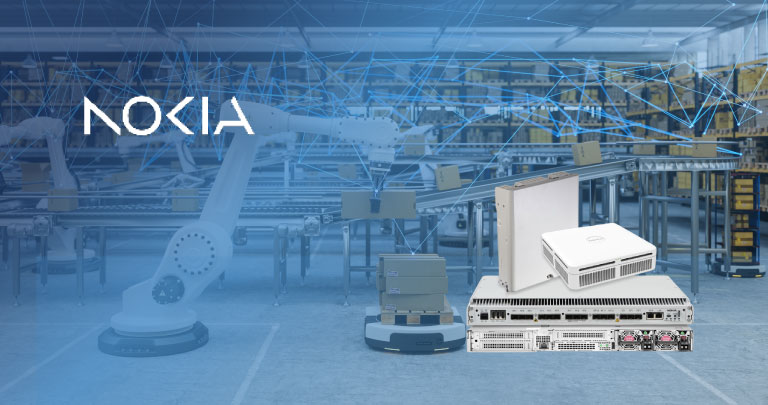
Nokia's DAC is a comprehensive solution delivering secure, high-performance 4.9G/LTE and 5G connectivity, purpose-built for operational technology (OT) environments. Designed for industries that demand exceptional reliability, ultra-low latency, and seamless mobility, Nokia DAC enables automation, edge computing, and data-driven operations across ports, manufacturing plants, utilities, mining sites, and more. Its compact, pre-integrated platform ensures rapid deployment, scalable solutions, and effortless integration with existing IT systems, empowering enterprises to fast-track their digital transformation with minimal disruption.
Nokia DAC is more than a private wireless network—it’s a complete industrial-grade connectivity and edge computing platform. With plug-and-play 4.9G/LTE and 5G connectivity, advanced edge computing, and secure management tools, it supports use cases like automated vehicles, robotics, real-time analytics, and remote monitoring. Its ultra-low latency, reliable coverage, and high throughput ensure seamless performance for mission-critical operations across indoor and outdoor environments.
Scroll to explore the DAC's features and benefits >>
Nokia DAC delivers private wireless coverage that is reliable, secure, and highly deterministic. It ensures fully isolated on-premises networks, keeping all traffic local for enhanced privacy and ultra-fast response times. Supporting full device mobility and seamless handovers, it guarantees consistent quality of service for both people and machines. With compatibility for 4.9G/LTE and 5G NR, the solution is future-ready and can be upgraded effortlessly without replacing hardware.
Whether deploying private wireless in a massive industrial facility or a remote logistics site, Nokia DAC offers flexible deployment models to meet your needs. Its fully pre-integrated system architecture streamlines implementation, enabling tailored coverage, performance, and security for any environment. The platform supports indoor, outdoor, and hybrid deployments, making it adaptable to diverse use cases.
At the core of Nokia DAC is a suite of advanced components, including small cells, routers, edge computing hardware, and centralized orchestration through the DAC Manager. Together, these elements form a seamless and efficient platform, delivering low-latency, high-bandwidth connectivity while supporting local applications and network control. Advanced features like Time Sensitive Networking (TSN), traffic prioritization, and secure authentication further enhance its capabilities.
Nokia DAC drives measurable ROI by boosting operational efficiency, minimizing downtime, and enabling real-time decision-making. By replacing outdated Wi-Fi and wired systems with secure, scalable private wireless, it reduces interference, lowers maintenance costs, and supports Industry 4.0 automation initiatives. From enabling digital twins to facilitating predictive maintenance, the benefits extend far beyond connectivity, positioning DAC as a strategic investment for forward-thinking enterprises.
The Nokia DAC portfolio offers versatile solutions designed to meet a variety of deployment needs, from large-scale rollouts to targeted, site-specific implementations. Each solution is built on the same core strengths—reliable private wireless connectivity, secure edge computing, and centralized management—yet tailored to address distinct operational requirements.
Scroll to explore the solution portfolio >>
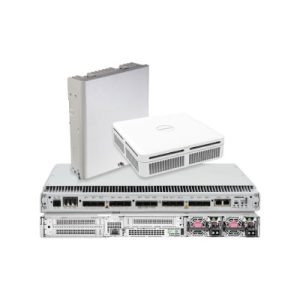
DAC Full is a high-capacity, industrial-grade system engineered for expansive coverage and dense device environments. It is ideal for demanding, mission-critical operations like transportation hubs, manufacturing facilities, and energy production sites. Equipped with powerful edge servers, multiple access points, and advanced orchestration tools, DAC Full ensures maximum throughput, ultra-low latency, and high availability across complex operational zones.
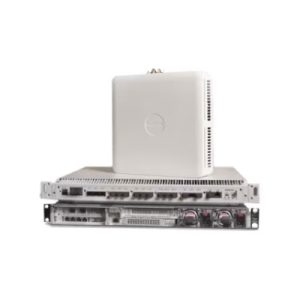
For smaller sites or focused use cases, DAC Compact delivers the same core capabilities as DAC Full in a streamlined, space-efficient form. Designed for medium-scale operations such as warehouses, edge sites, or smaller industrial facilities, DAC Compact offers rapid deployment and seamless integration with minimal equipment. Its reduced hardware footprint makes it an excellent choice for environments with space or power constraints.
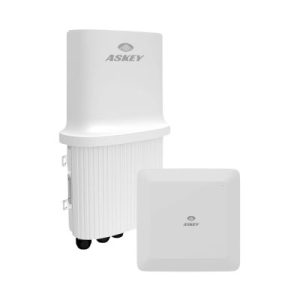
DAC Wi-Fi enhances the Nokia DAC platform by seamlessly integrating Wi-Fi access with private wireless networks. This unified approach allows organizations to manage both cellular and Wi-Fi networks through a single system, maintaining enterprise-grade security and performance. DAC Wi-Fi is particularly valuable for environments that require deterministic private wireless for automation alongside traditional Wi-Fi for employee connectivity.
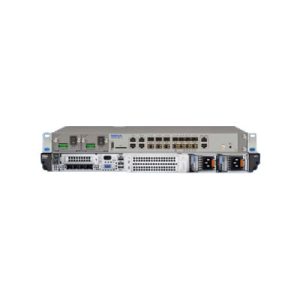
MXIE is the edge computing powerhouse of the Nokia DAC suite, enabling advanced digital applications to run alongside the private wireless core. It supports AI, analytics, video processing, and industrial automation directly on-site, reducing latency and minimizing reliance on cloud interaction. With containerized application support and integrated orchestration, MXIE delivers real-time insights and actions where they’re needed most.
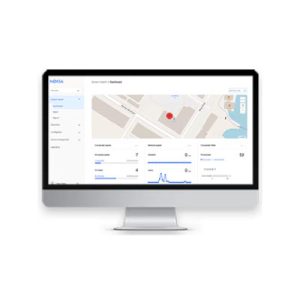
DAC Manager serves as the centralized hub for orchestrating all Nokia DAC solutions. It offers intuitive tools for network planning, deployment, monitoring, and optimization through a secure, user-friendly interface. With end-to-end lifecycle management capabilities, DAC Manager empowers IT and OT teams to maintain full control of their networks, streamline operations, and adapt rapidly to changing business needs. Whether managing a single location or a global network, DAC Manager ensures visibility, agility, and control.

MCA offers a diverse portfolio of private wireless options designed to meet the unique needs of various enterprise environments. Whether you need flexible hardware, simplified licensing, seamless integration with legacy systems, or a more accessible entry point, MCA provides alternative on-premise private networks tailored to your operational and budgetary requirements. Our team works closely with yours to understand objectives, recommend ideal platforms, and deliver scalable, secure solutions that drive digital transformation.
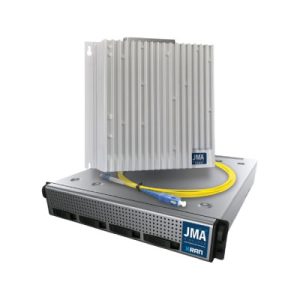
JMA’s XRAN is a fully virtualized, software-based RAN platform designed for flexibility, low latency, and cost-effectiveness. Paired with CellHub radios, this U.S.-built solution supports 4G, 5G, and CBRS networks, making it ideal for industries like manufacturing, logistics, and sports venues. Its software-driven approach ensures scalability and seamless integration with existing IT systems.
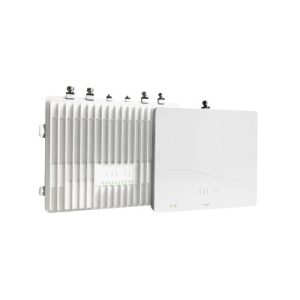
Nextivity's Cel-Fi QUATRA and GO products deliver exceptional cellular coverage through hybrid active DAS solutions and smart signal boosters. QUATRA is ideal for mid-sized to large buildings requiring reliable indoor coverage, while GO offers portable, easy-to-install solutions for vehicles and remote sites. Both systems comply with FCC regulations, support multiple carriers, and are designed to enhance signal strength in challenging environments.
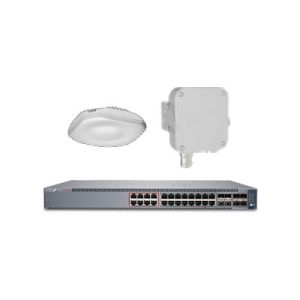
InfiniG MCaaS offers enterprise-grade cellular coverage with a simple, fully managed solution. Designed for organizations needing reliable connectivity without the hassle of complex infrastructure, InfiniG handles everything—from design and deployment to optimization and support. Perfect for IoT, smart buildings, or critical operations, it delivers secure, high-availability coverage tailored to your needs.
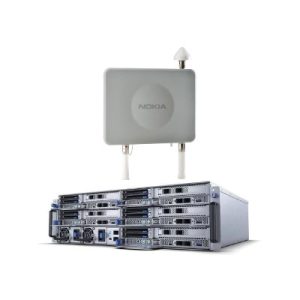
Nokia’s MPW solutions offers a plug-and-play approach to enterprise 4G/5G connectivity. Combining pre-integrated core, radio, and edge components, it delivers ultra-reliable, low-latency coverage for critical use cases in industries like utilities, logistics, and manufacturing. Designed for flexible deployment in indoor, outdoor, or hybrid environments, this solution ensures seamless and secure wireless communications for enterprise applications.
Ericsson’s Radio DOT system simplifies enterprise-grade LTE and 5G connectivity with a modular, easy-to-deploy indoor small cell solution. Utilizing existing LAN cabling, it minimizes deployment complexity while maximizing coverage. Paired with NetCloud Exchange, it supports centralized control, secure segmentation, and seamless integration with SD-WAN, making it scalable for large enterprises.
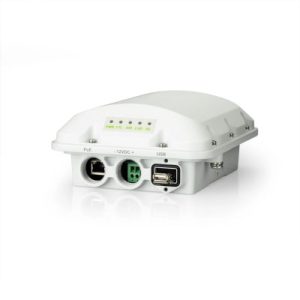
CommScope’s RUCKUS access points deliver dual-mode Wi-Fi and CBRS LTE connectivity through a unified wireless fabric. Designed for enterprise use, they enable high-capacity, secure, and seamless wireless experiences across private LTE and 5G deployments. These APs are particularly effective for campus, hospitality, and education environments, where reliability and flexibility are essential.
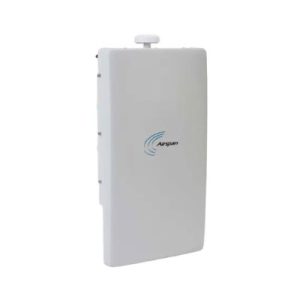
Airspan’s AirVelocity and AirSpeed small cells provide compact, high-performance radio access solutions for indoor and outdoor private LTE and 5G networks. Supporting both CBRS and licensed spectrum, these systems feature advanced capabilities such as massive MIMO and integrated backhaul. They are an excellent choice for enterprises needing dense, high-capacity wireless infrastructure for mission-critical operations.
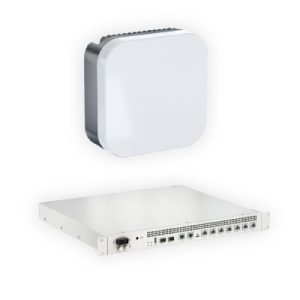
SOLiD's Open RAN platform empowers flexible, vendor-neutral private wireless deployments tailored for dense urban environments and enterprise applications. Seamlessly integrating with existing IT ecosystems, it supports multi-band, multi-operator configurations, giving building owners and operators full control over spectrum, infrastructure, and scalability. This makes SOLiD an optimal solution for enterprises looking for adaptable, cost-effective wireless connectivity.
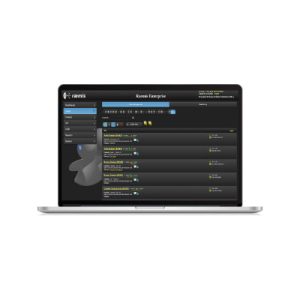
Druid’s cellular solutions for business are built on its Raemis™ technology platform. Raemis™ is a set of cellular software assets originally crafted by Druid’s engineers and optimised for business use cases. The Raemis™ platform harnesses 5G, 4G, 3G, 2G, and WiFi radios from any vendor to implement standalone cellular core network solutions. It also integrates with mobile network operators using standard interfaces, giving access to all of the radio resources of these operators.
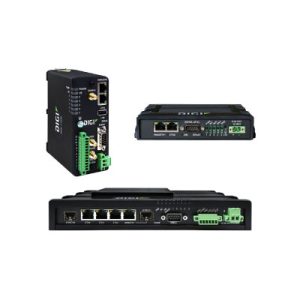
Digi’s IX, EX, and TX Series routers are industrial-grade devices delivering secure, edge-ready connectivity for both fixed and mobile applications. Supporting private LTE, CBRS, and 5G, these routers are engineered to meet high-security standards like FIPS and C1D2. They are ideal for SCADA systems, transit networks, and enterprise IoT deployments requiring robust performance and reliability.
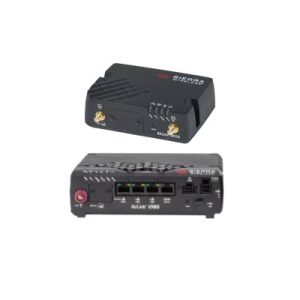
Semtech's AirLink RX and XR series routers offer rugged, edge-ready connectivity for private cellular networks. Built for critical infrastructure, industrial IoT, and mobile applications, these devices provide centralized management, zero-trust security, and support for private LTE, CBRS, and 5G. Their robust and extremely ruggedized design ensures reliable performance in demanding environments.

A modern private wireless network relies on a range of critical components working in harmony to provide secure, seamless, and high-performance connectivity. While the complexity of these systems may seem overwhelming, MCA simplifies the process through expert engineering and strong partnerships with leading manufacturers. From initial design to final installation, our team ensures every element is perfectly integrated, allowing your organization to focus on its operations without the hassle of managing intricate infrastructure.
Indoor small cells equipped with advanced 4T4R (4 transmit, 4 receive) architecture, carrier aggregation, and MIMO (Multiple Input, Multiple Output) support form the backbone of a private wireless network. These nodes ensure enhanced signal quality, greater throughput, and comprehensive coverage throughout the designated area. By leveraging RNs, businesses can achieve a high-performance network that supports a large number of devices with minimal interference, making them ideal for enterprise environments requiring reliable and robust connectivity.
Ethernet switches with Power over Ethernet (PoE) play a crucial role in connecting Radio Nodes to the broader network infrastructure via Cat5/6 cables. These switches not only provide seamless connectivity but also support features like Quality of Service (QoS) to prioritize critical data traffic. With power budgets of up to 740W, they can provide the necessary power to connected devices, simplifying deployment while reducing the need for additional power sources. These switches ensure a streamlined, secure, and efficient network backbone for uninterrupted operations.
GPS Timing Units are roof-mounted devices designed to synchronize network timing with extreme precision, following IEEE 1588 PTP (Precision Time Protocol) standards. These units ensure accurate network timing, enabling smooth handoffs between devices and consistent communication across the network. Precise timing is especially critical in environments with high mobility or stringent performance requirements, where even minor timing deviations can lead to dropped connections or degraded service quality.
The Evolved Packet Core is a software-based system that acts as the control center of the private wireless network. It manages data flow, enforces network policies, and authenticates devices, ensuring secure and efficient network operations. By dynamically allocating network resources, the EPC helps maintain high-quality user experiences even during peak usage. This centralized management system is essential for optimizing network performance, scalability, and security in enterprise-grade deployments.
The Spectrum Access System is a regulatory framework developed to manage CBRS (Citizens Broadband Radio Service) spectrum usage effectively. It ensures that the private network operates without interference by dynamically allocating spectrum resources based on availability and priority. The SAS optimizes network performance while adhering to regulatory requirements, making it essential for deploying private wireless networks in shared spectrum environments. This system ensures businesses can maintain reliable, high-quality connectivity while avoiding conflicts with other spectrum users.
User Equipment includes all SIM-enabled devices such as smartphones, tablets, routers, and IoT sensors that connect to the private wireless network. These devices play a direct role in enabling communication, data collection, and operational efficiency. Whether it’s field workers using connected devices or IoT sensors driving automation, UEs ensure reliable and secure access to the network, empowering businesses to leverage digital tools for productivity and innovation.
Private SIM cards and the core network are vital components for authenticating devices to the private wireless network. These elements enforce strict policies that govern device access, data flow, and resource allocation, providing an additional layer of security. By ensuring that only authorized devices can connect, private SIMs and the core network reduce the risk of unauthorized access and data breaches, offering peace of mind for enterprises deploying sensitive applications.
Private SIM cards and the core network are vital components for authenticating devices to the private wireless network. These elements enforce strict policies that govern device access, data flow, and resource allocation, providing an additional layer of security. By ensuring that only authorized devices can connect, private SIMs and the core network reduce the risk of unauthorized access and data breaches, offering peace of mind for enterprises deploying sensitive applications.
Wireless repeaters extend network coverage into hard-to-reach areas, eliminating dead zones and ensuring consistent connectivity throughout the deployment environment. These repeaters amplify and rebroadcast signals, making them especially useful in large buildings, industrial facilities, or outdoor spaces where obstacles might block the signal. By maintaining strong and reliable coverage, wireless repeaters play a key role in maximizing the usability and effectiveness of the private wireless network.
The wireline infrastructure forms the physical backbone of a private wireless network, comprising fiber optic cabling, Ethernet lines, patch panels, and connectors. This infrastructure delivers high-speed, low-latency connectivity while providing redundancy to ensure reliability in case of component failure. By enabling uninterrupted data flow and strong connectivity, wireline infrastructure supports the network's overall performance and resilience, allowing it to manage high traffic loads and mission-critical applications effectively.
Implementing an private wireless networks can raise many questions. Below are answers to some of the most common inquiries to help guide your decision-making process.
Private wireless refers to a secure, on-premises 4G LTE or 5G cellular network designed exclusively for an organization’s use. Unlike Wi-Fi, which operates on unlicensed spectrum and is prone to congestion, interference, and limited range, private wireless utilizes licensed or shared spectrum—such as CBRS in the 3.5 GHz band. This enables broader coverage, enhanced security, seamless mobility, and greater reliability, particularly in large or complex environments.
CBRS (Citizens Broadband Radio Service) is a shared spectrum band in the U.S. that empowers businesses to deploy private LTE or 5G networks without the high cost of licensed spectrum. It allows organizations to build carrier-grade cellular networks with greater control, robust security, and customizable performance. CBRS bridges the gap between Wi-Fi and traditional licensed cellular solutions, providing an affordable yet advanced alternative.
4G/5G private wireless networks deliver superior scalability, lower latency, and persistent coverage across both indoor and outdoor spaces. They are particularly suited for mission-critical applications, such as IoT, mobile workforce connectivity, and real-time communications. These networks can support more users per access point than Wi-Fi and offer consistent performance during mobility transitions. However, Wi-Fi is still an excellent choice for general-purpose use in cost-sensitive deployments, public spaces, or environments requiring widespread device compatibility.
Wi-Fi is often the preferred option for scenarios where cost, throughput density, or device compatibility are the primary considerations. For example, office settings, public guest networks, and indoor environments with a high number of connected devices may benefit from Wi-Fi due to its affordability, high aggregate bandwidth, and universal device support. In contrast, CBRS excels in large-scale or industrial environments that demand enhanced security, reliability, and uninterrupted mobility.
Not necessarily. While private wireless networks—especially those operating on CBRS—excel in coverage and mobility, modern enterprise Wi-Fi 6/6E access points can achieve significantly higher aggregate throughput, offering speeds of up to 10 Gbps compared to the typical 1 Gbps cap of most private cellular nodes. In dense, high-demand environments, Wi-Fi often outshines private wireless for high-throughput applications. However, CBRS stands out in providing superior coverage and reliability for mobile or mission-critical devices.
CBRS generally delivers smoother, carrier-grade handoffs for mobile devices, particularly across large spaces or outdoor environments. That said, Wi-Fi networks equipped with advanced mobility controllers can also enable seamless roaming without noticeable interruptions. The key difference often lies in the design and optimization of the Wi-Fi network. In industrial or highly mobile settings—such as those with moving assets or machinery—CBRS tends to offer greater reliability due to reduced interference and its use of managed spectrum.
Absolutely. Wi-Fi and CBRS complement each other well and are often deployed together to create a hybrid wireless ecosystem. CBRS shines in secure, mission-critical operations such as robotics, AGVs, or mobile asset tracking, while Wi-Fi is ideal for general-purpose connectivity, including guest access, laptops, and public IoT devices. This layered approach allows organizations to customize performance, cost, and coverage to suit the unique needs of each application.
Although CBRS nodes may have higher upfront costs, a single CBRS access point can cover the same area as 15–20 Wi-Fi access points. This drastically reduces the need for extensive cable runs, switch ports, and power sources, which is particularly advantageous in large or hard-to-wire environments like warehouses, utility sites, or transportation yards. Fewer nodes translate into simpler infrastructure, lower maintenance demands, and a smaller overall network footprint.
CBRS-based private wireless networks leverage licensed or shared managed spectrum, which minimizes interference and enables SIM-based authentication—a more secure and tamper-resistant alternative to traditional Wi-Fi’s password-based access. Additionally, CBRS supports advanced features like network slicing, default VLAN segmentation, and robust control over user identity and traffic prioritization. These capabilities make it particularly advantageous for regulated industries or environments with stringent access control requirements.
Yes, MCA offers both 4G and 5G private wireless solutions. 4G is a cost-effective choice with wide device compatibility and strong performance for most current use cases, particularly for IoT and wide-area coverage. On the other hand, 5G is better suited for high-bandwidth and ultra-low-latency applications, such as real-time analytics, telemedicine, and advanced video surveillance. MCA works closely with your team to evaluate your operational needs and recommend the best technology based on your budget, growth objectives, and performance goals.
Yes, deploying a CBRS-based private network typically involves higher upfront costs due to specialized hardware, licensed radios, SIM provisioning, and spectrum access planning. Additionally, compatibility with Band 48 is essential. For devices without native support, cellular routers or gateways may be required to convert CBRS to Wi-Fi. The network configuration process is also more complex than Wi-Fi and often requires the expertise of an experienced integrator like MCA.
Private wireless networks are used for a variety of applications, such as providing reliable connectivity for mobile personnel, collecting field data from meters and sensors, high-definition video surveillance, remote monitoring, and IoT integration. They also enable advanced solutions like autonomous robotics, manufacturing automation, and secure internet/intranet access across large spaces. By offloading critical traffic from congested Wi-Fi networks, organizations improve network performance and reliability.
Yes, MCA offers both 4G and 5G private wireless solutions. 4G is a cost-effective choice with wide device compatibility and strong performance for most current use cases, particularly for IoT and wide-area coverage. On the other hand, 5G is better suited for high-bandwidth and ultra-low-latency applications, such as real-time analytics, telemedicine, and advanced video surveillance. MCA works closely with your team to evaluate your operational needs and recommend the best technology based on your budget, growth objectives, and performance goals.
Absolutely. With Multi-Operator Core Network (MOCN) support and MCA’s Mobile Coverage-as-a-Service (MCaaS) model, users can effortlessly roam between private and public networks without service interruptions. MCA’s solutions are compatible with major carriers like AT&T and T-Mobile, maintaining key features such as voice, SMS, data, and emergency services with accurate indoor location tracking.
Mobile Coverage-as-a-Service (MCaaS) leverages CBRS small cells to enhance public carrier coverage indoors, offering a faster, more cost-effective, and scalable alternative to traditional Distributed Antenna Systems (DAS). Unlike DAS, which requires extensive infrastructure and direct agreements with carriers, MCaaS streamlines the process by enabling multiple carriers to share a single network. This makes it an ideal solution for growing facilities in need of neutral-host capabilities and future-ready wireless connectivity.
Private wireless networks are transforming industries such as higher education, healthcare, manufacturing, logistics, utilities, transportation, government, and smart cities. Any organization operating in complex or large-scale environments that requires secure, reliable, and always-on connectivity can gain tremendous value from this technology.
Deployment timelines depend on the project’s scope and complexity. However, MCA typically completes mid-sized installations within 6 to 12 weeks. Our comprehensive, turnkey approach—featuring pre-integrated hardware and proven implementation practices—ensures minimal disruptions and speeds up the go-live process.
MCA provides end-to-end private wireless solutions that begin with consultation and RF analysis. This is followed by network design, hardware installation (antennas, radios, and small cells), cabling, and power infrastructure. Additionally, we offer advanced network management software for performance monitoring and diagnostics, seamless integration with existing IT systems, and ongoing lifecycle support to ensure long-term reliability, compliance, and success.
Yes. With the advent of CBRS and scalable deployment models like MCaaS, MCA delivers private wireless solutions at price points accessible to K-12 schools, municipalities, and mid-sized enterprises. We provide flexible CapEx and OpEx purchasing options, ensuring solutions are tailored to fit diverse budgets and financial needs.
Private wireless networks are set to be the foundation of smart infrastructure and digital transformation. As they enable autonomous systems, AI-driven applications, and edge computing, private LTE and 5G networks will increasingly replace outdated technologies. Offering unmatched security, flexibility, and performance, these networks are built for the future. MCA ensures your network is ready to evolve, delivering scalable, future-proof solutions designed to adapt to emerging technologies.

MCA partners with industry leaders in private wireless technology to deliver flexible, secure, and scalable connectivity through 4G LTE, 5G, and CBRS-based solutions. From campus-wide coverage to mission-critical industrial applications, our private networks provide carrier-grade performance, advanced security, and seamless integration with your existing infrastructure. Whether enabling mobile workforce communication, powering IoT systems, or supporting neutral host coverage, MCA ensures your organization stays connected, future-ready, and in control.

Security threats are evolving. Is your facility’s protection evolving with them?
From AI-powered surveillance and access control to concealed weapon detection and cloud-based video backup, today’s security landscape demands more than just cameras and locks—it requires integration, automation, and insight.
This quick 20-Point Security Audit helps you evaluate your current systems, uncover hidden vulnerabilities, and identify opportunities for improvement.
Fill out the form below to download the checklist and discover how MCA’s integrated security ecosystems can:
Whether you’re attending GSX or evaluating your next phase of facility protection, MCA is your trusted advisor in next-gen security.